


If you’re planning your first trip to Egypt, there are a few things worth knowing before you go that can make a big difference once you arrive.
Even with plenty of research beforehand, there were still a few things we learned during our trip that would have made the whole experience so much easier if we had known them in advance.
Things like getting around the cities, when you’ll need cash, what to expect with tipping, and how to avoid scams, which can unfortunately be common in tourist areas, ended up being just as important as the itinerary itself.
Egypt is one of the most incredible places we have ever visited, but it is also a destination where being prepared really helps. These are the travel tips we genuinely wish someone had told us before we went.
1) Be Aware of Common Uber Scams
When getting around Egypt, Uber was still one of the easiest ways for us to travel, especially in Cairo, but there was one thing that happened almost every single time we booked a ride. Before the driver would even start driving, they would ask for additional cash up front on top of the fare shown in the app. In most cases, refusing was not really an option, and we usually had to negotiate it down to an extra 200 to 300 Egyptian pounds, which was about $4 to $5 USD.
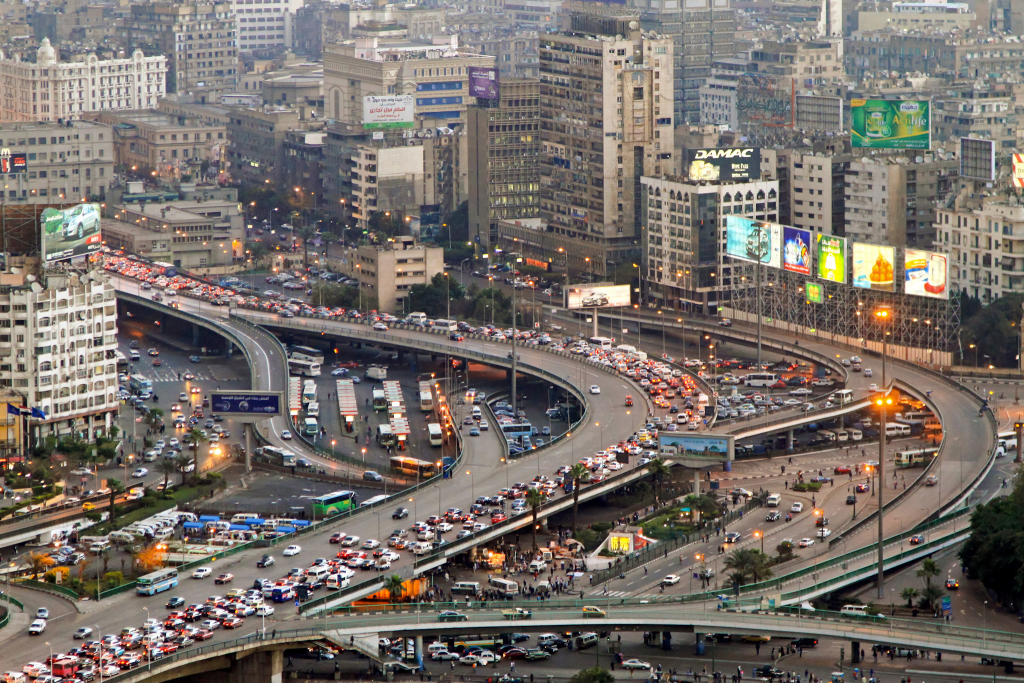
While this was definitely frustrating, the rates were fairly inexpensive to begin with, so once we knew to expect it, we just made sure to carry extra cash with us whenever we booked an Uber. Unfortunately, this was something nearly every driver asked for during our trip, so it quickly became something we planned for rather than something that caught us off guard.
If you want to avoid this completely, the best option is to arrange a driver directly through your hotel, as this tends to be much more straightforward and avoids the hassle of negotiating before the ride even begins.
2) Download The InDrive App
One app we really wish we had downloaded before arriving in Egypt was “inDrive”. A local guide recommended it to us halfway through our trip, and honestly, it made getting around so much easier.
What I really liked about InDrive is that when you request a ride, you actually set the fare yourself. The app gives you a recommended price that it considers fair for the trip, and then nearby drivers can either accept that amount or send back a different quote, which is usually only a little higher. From there, you can choose to accept or decline their fare before confirming the ride.

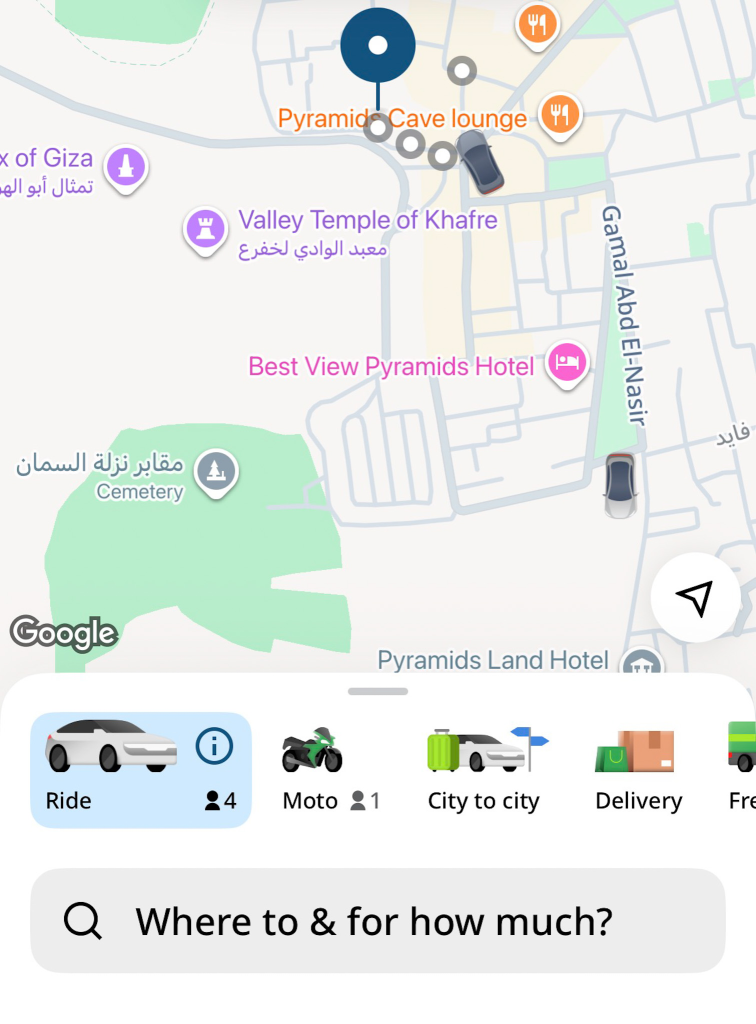
I found this much less frustrating because everything is agreed on upfront, so there are no surprises once the driver arrives. After dealing with the constant extra cash requests through Uber, this felt so much more straightforward.
If you’re visiting Egypt for the first time, I would definitely recommend downloading both apps before your trip, but InDrive quickly became our preferred option.
3) Pack Light, Flowy Clothing (And Keep Modesty in Mind)
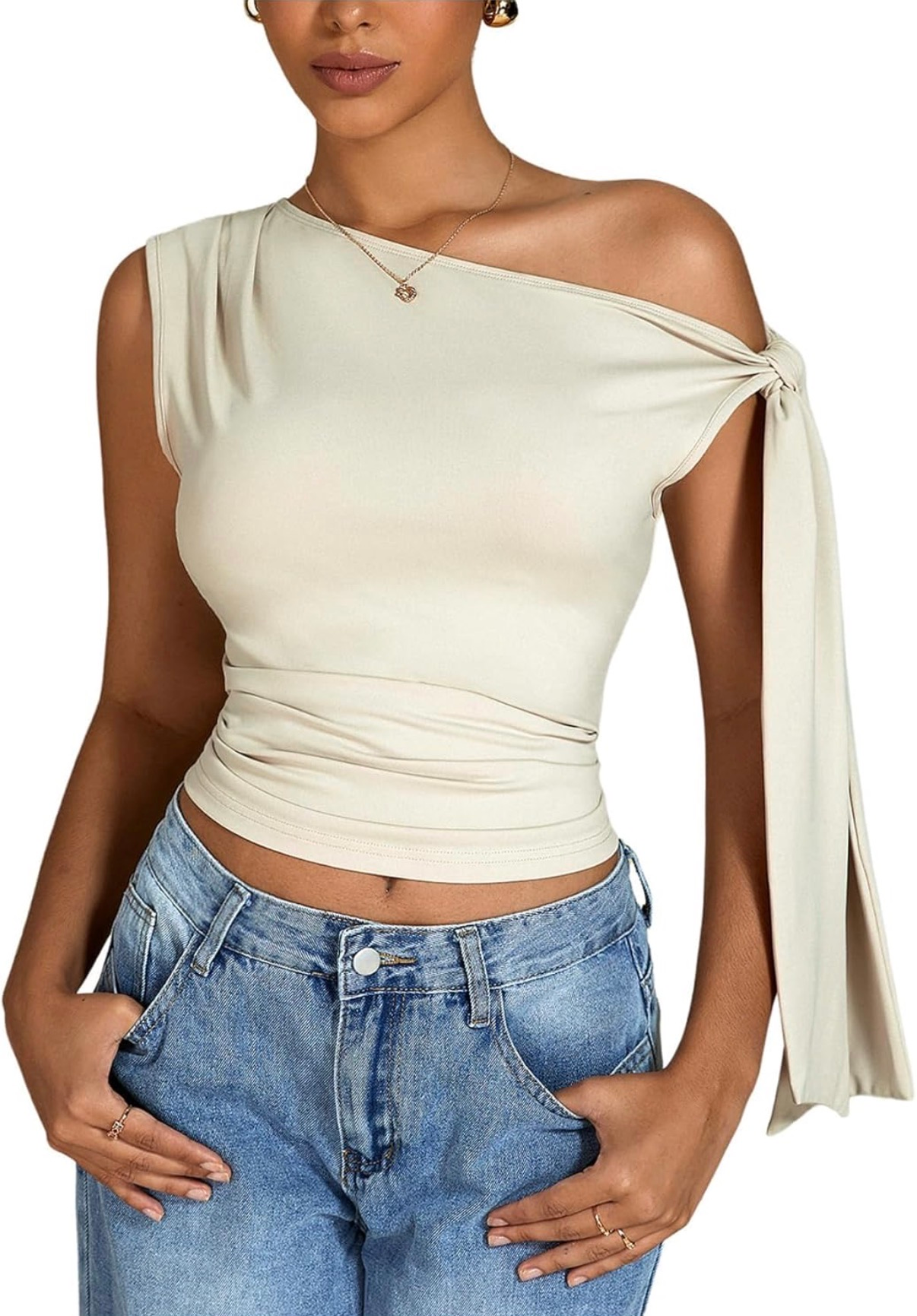
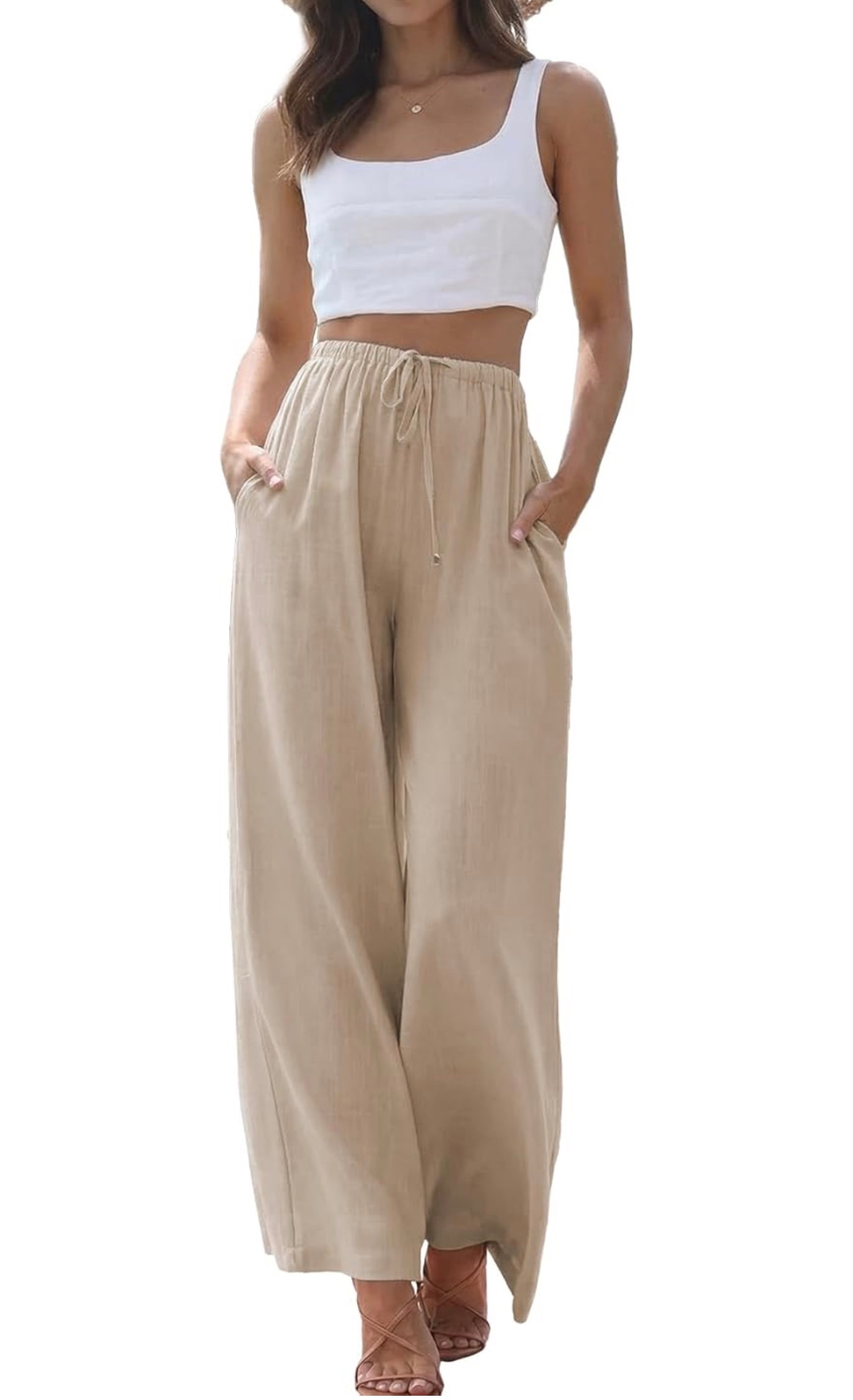
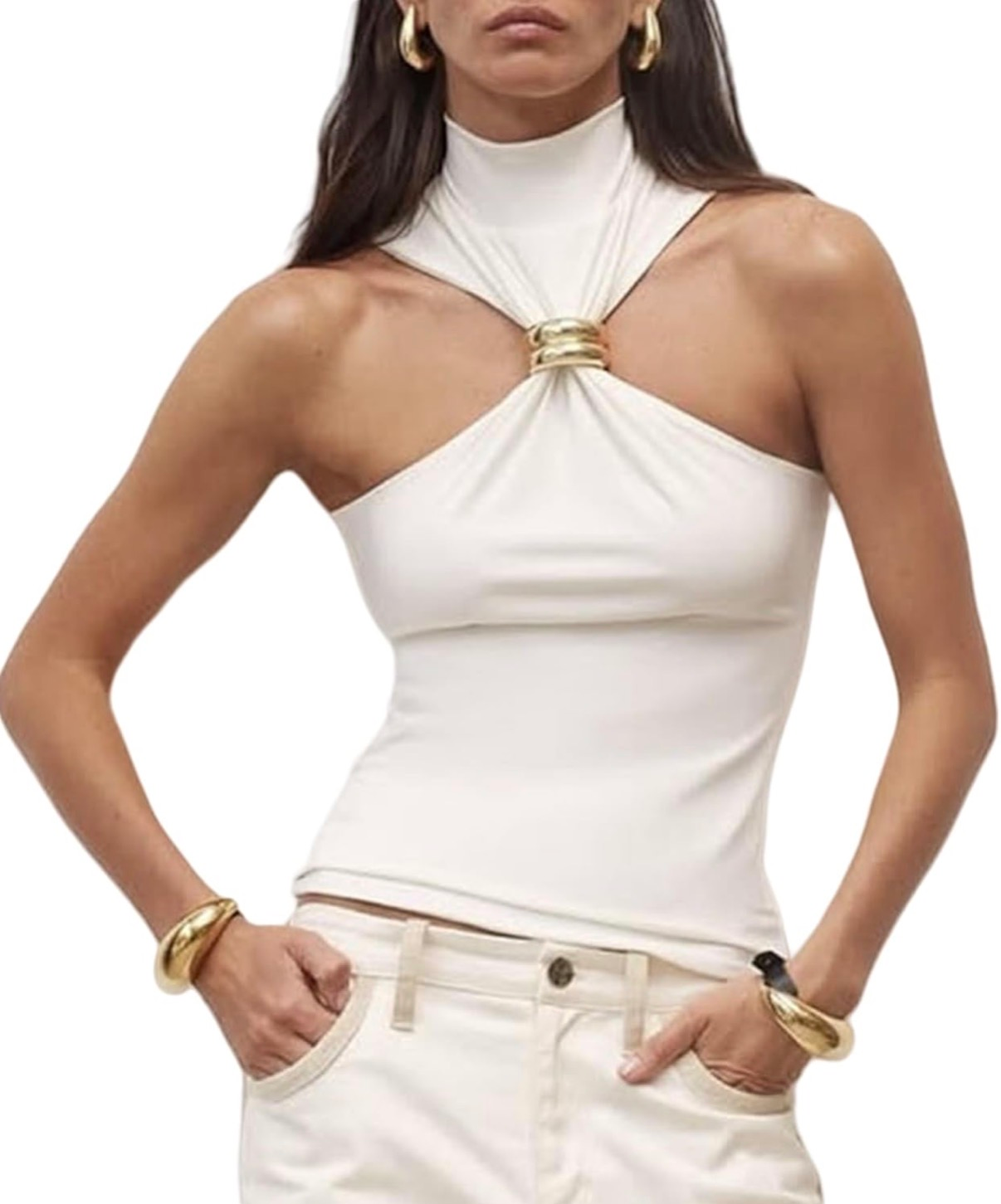
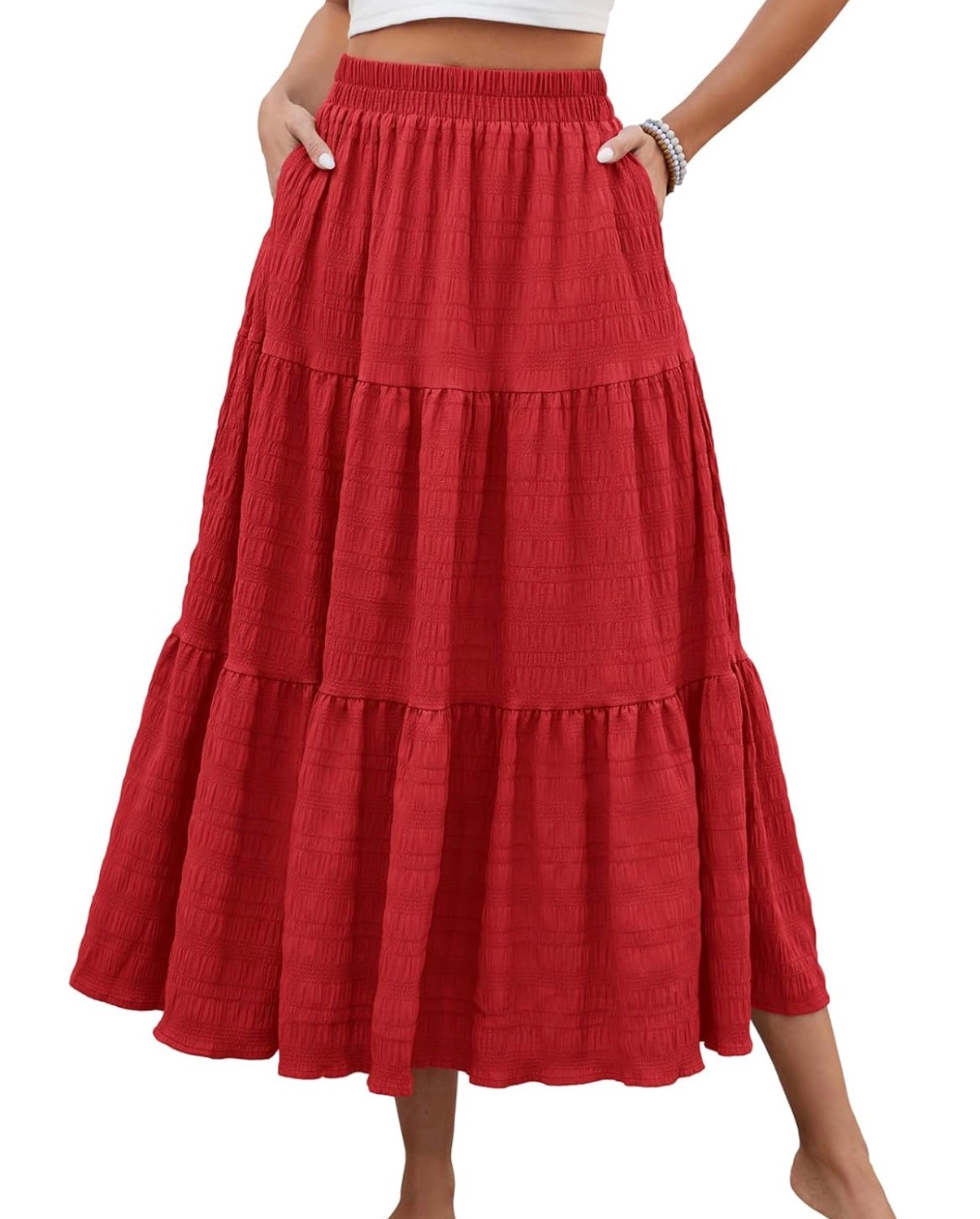
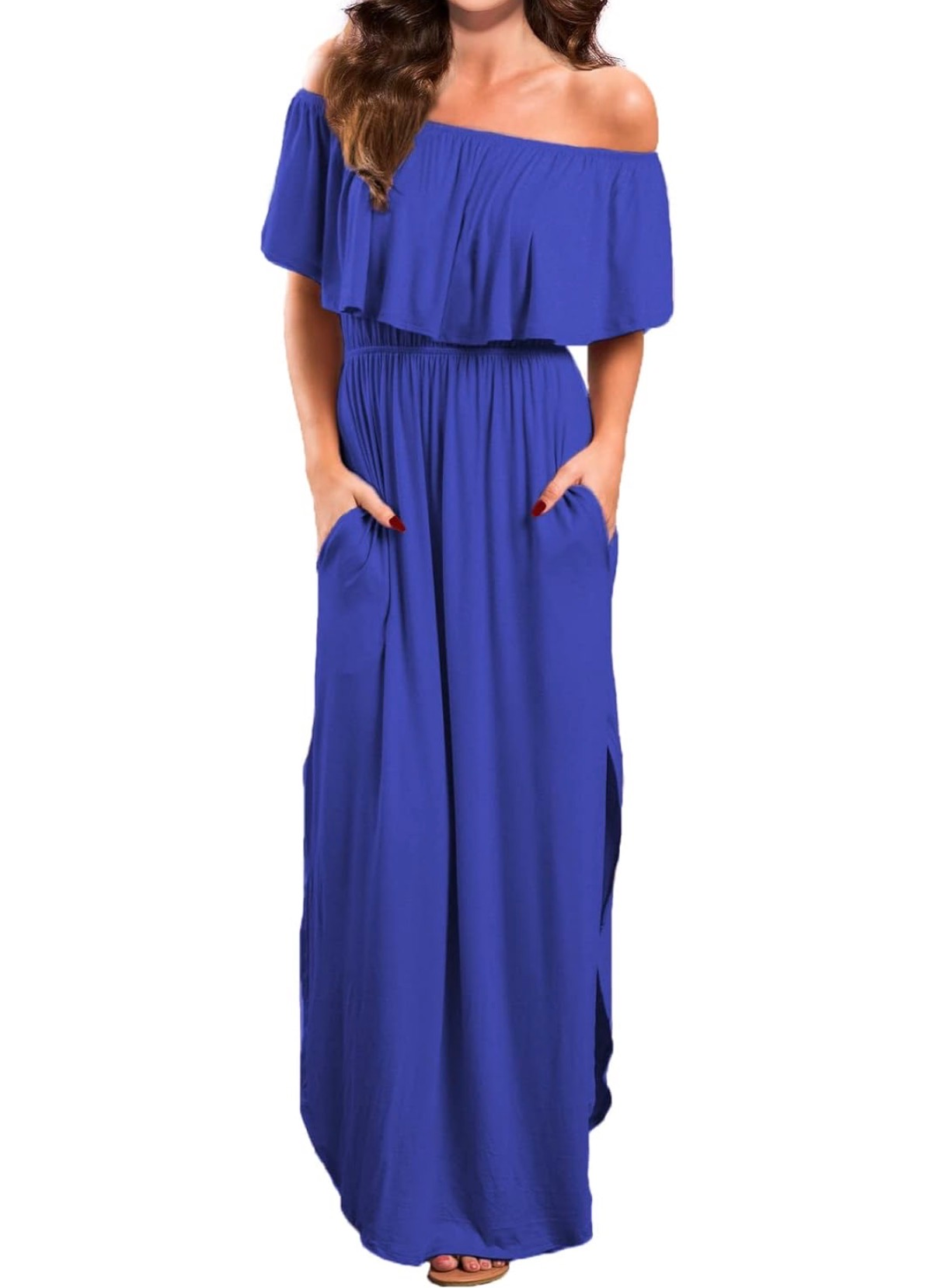
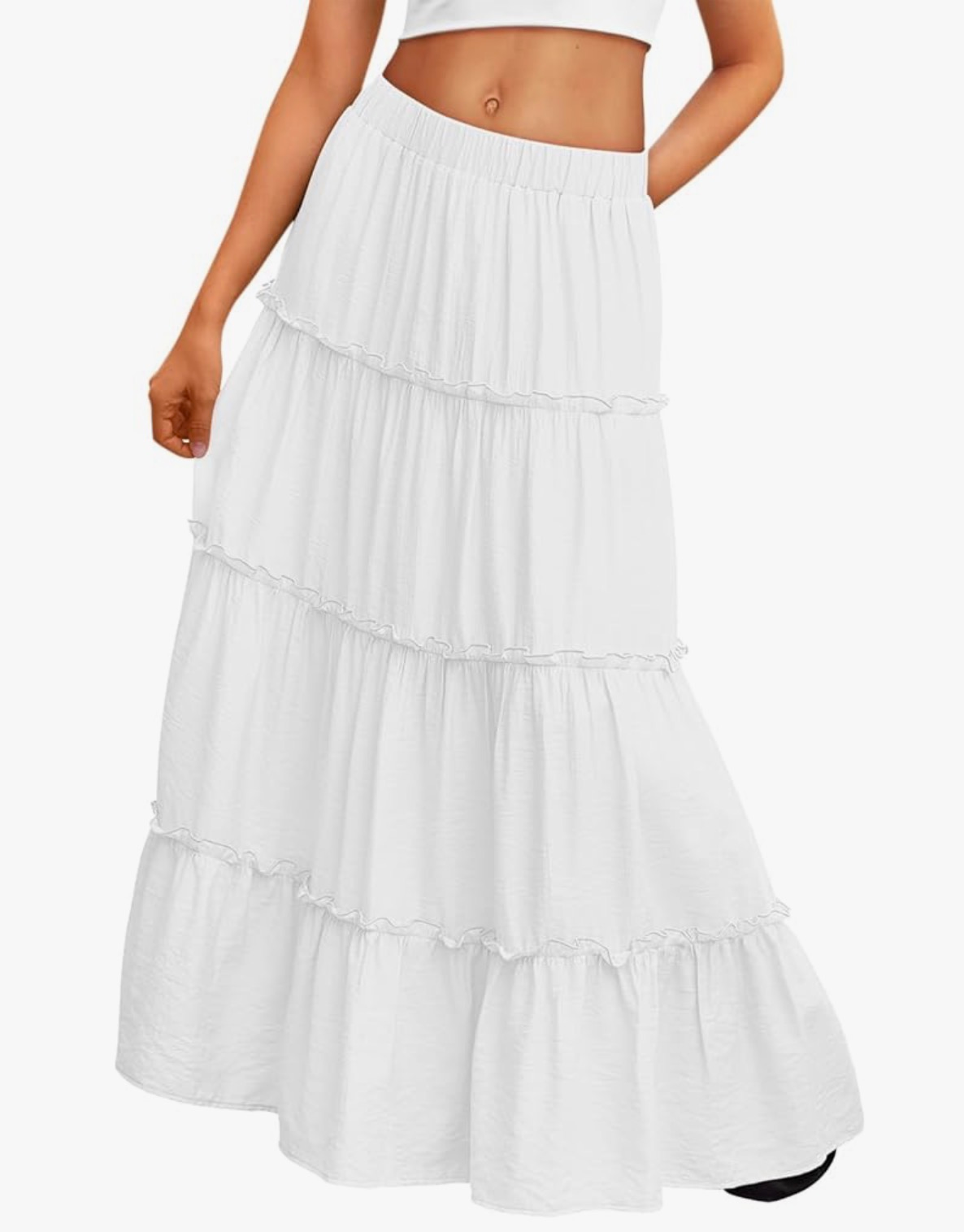
One thing that made a huge difference during our trip was packing lightweight, breathable clothing. Egypt can get extremely hot, especially when you’re spending long days outside exploring places like the pyramids, temples, and markets, so flowy dresses, linen pants, and loose tops were by far the most comfortable options.
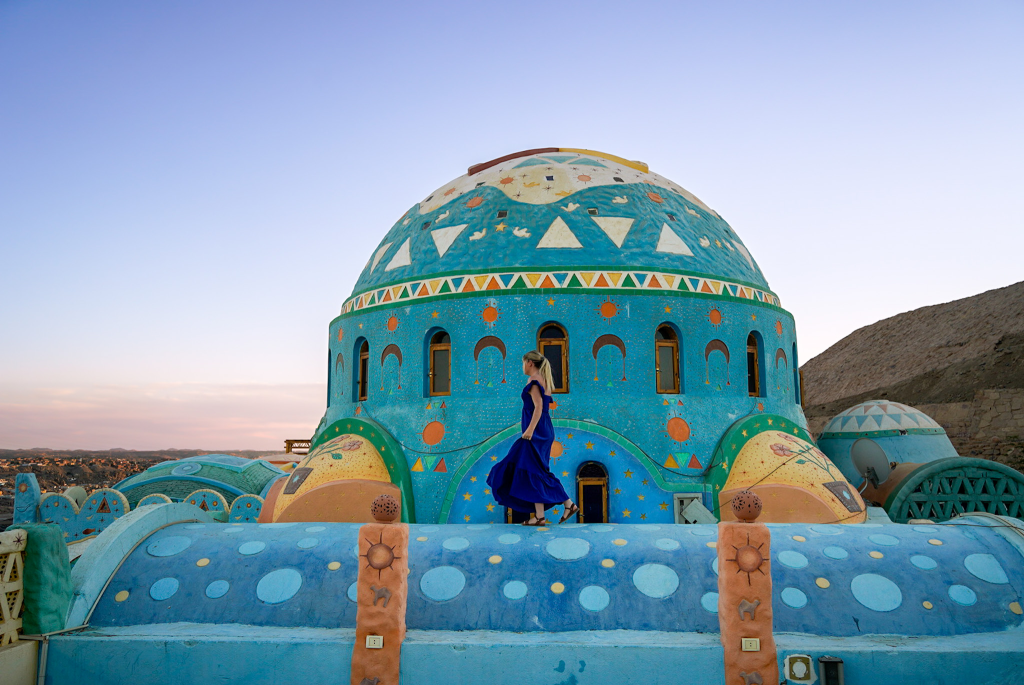
Because Egypt is a predominantly Muslim country, it’s also a good idea to keep modesty in mind, especially when visiting mosques or more local areas. In general, I found it helpful to have clothing that covered my shoulders and went below the knees, or at least bring a lightweight shawl that I could easily throw on when needed.
The shawl ended up being one of the most useful things I packed because it took up almost no space in my bag and made it easy to add extra coverage without overheating. I would also try to avoid darker colors when possible since they can feel much hotter in the sun.
Below, I linked a few of the outfits and lightweight pieces I brought with me that worked really well for our trip in case you’re looking for some Egypt outfit inspiration!
4) Carry More Cash Than You Think You’ll Need
One thing we learned pretty quickly in Egypt is that it’s a good idea to carry more cash than you think you’ll need, especially smaller bills. While some hotels and larger restaurants take cards, cash comes in handy all the time for tips, smaller shops, and markets.
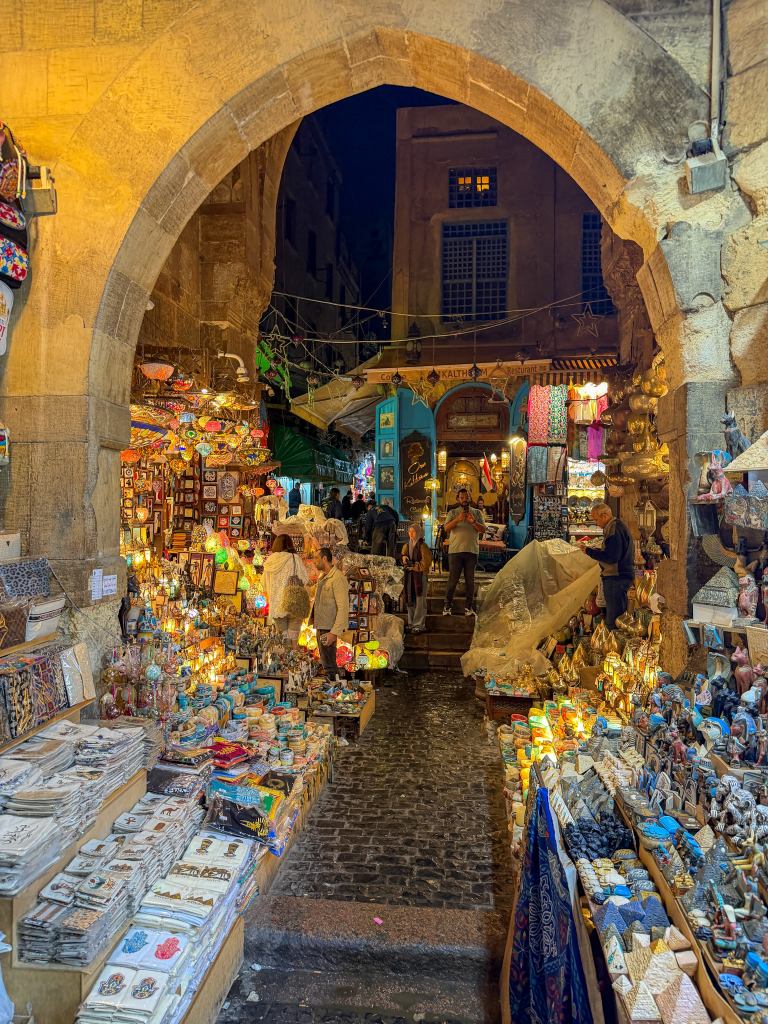
Tipping is also much more common than many first-time visitors might expect. At temples and historic sites, guards or staff will sometimes offer to take your photo or point out details around the site. While it often seems like they’re just being friendly, they usually expect a tip afterward.
Our guide actually explained this to us on our very first day during our sunrise camel ride and pyramid tour, and I’m so glad he did because it helped us know what to expect for the rest of the trip. After that, we made sure to always keep small bills with us so we were prepared whenever we wanted to tip a guide or accepted help from someone at a site.
Whenever we had the option, we usually paid by card at hotels or larger restaurants so we could save our cash for the places where we knew we’d need it most.
5) Visit More than Just Cairo
When most people think about Egypt, Cairo is usually the first place that comes to mind, and for good reason. Seeing the pyramids and exploring the city is an experience you absolutely do not want to miss.
That said, some of our favorite parts of the trip were actually outside of Cairo. Luxor and Aswan ended up being two of our favorite places we visited. They felt so different from Cairo and ended up being some of our favorite parts of the trip.
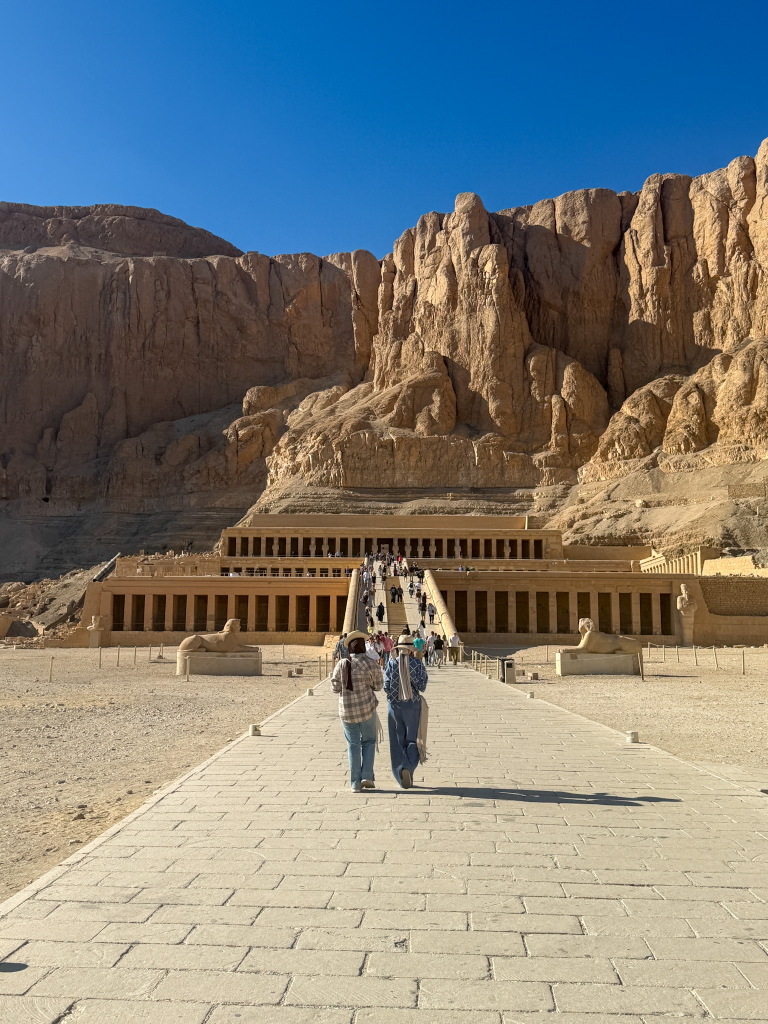

One of the absolute highlights of our 7-day trip to Egypt was the Nile River cruise between Aswan and Luxor. We loved being able to stop at incredible temples along the way like Temple of Edfu and Kom Ombo Temple, and Luxor was easily one of the most fascinating parts of the trip. Getting to visit the Valley of the Kings and step inside King Tut’s tomb was something I’ll never forget.
If you have the time, I really recommend adding at least one more stop outside of Cairo. For us, visiting Luxor, Aswan, and doing the Nile River cruise ended up being some of the best parts of the trip.
2-night 5-star Nile River cruise from Aswan to Luxor : A perfect fit for a first trip to Egypt, with stops along the way including a horse-drawn carriage ride to Edfu Temple, plus a hot air balloon ride and Luxor tour.
6) Go on a Sunrise Camel Tour
This is more of a recommendation than a travel tip, but it ended up being one of the absolute highlights of our trip to Egypt.
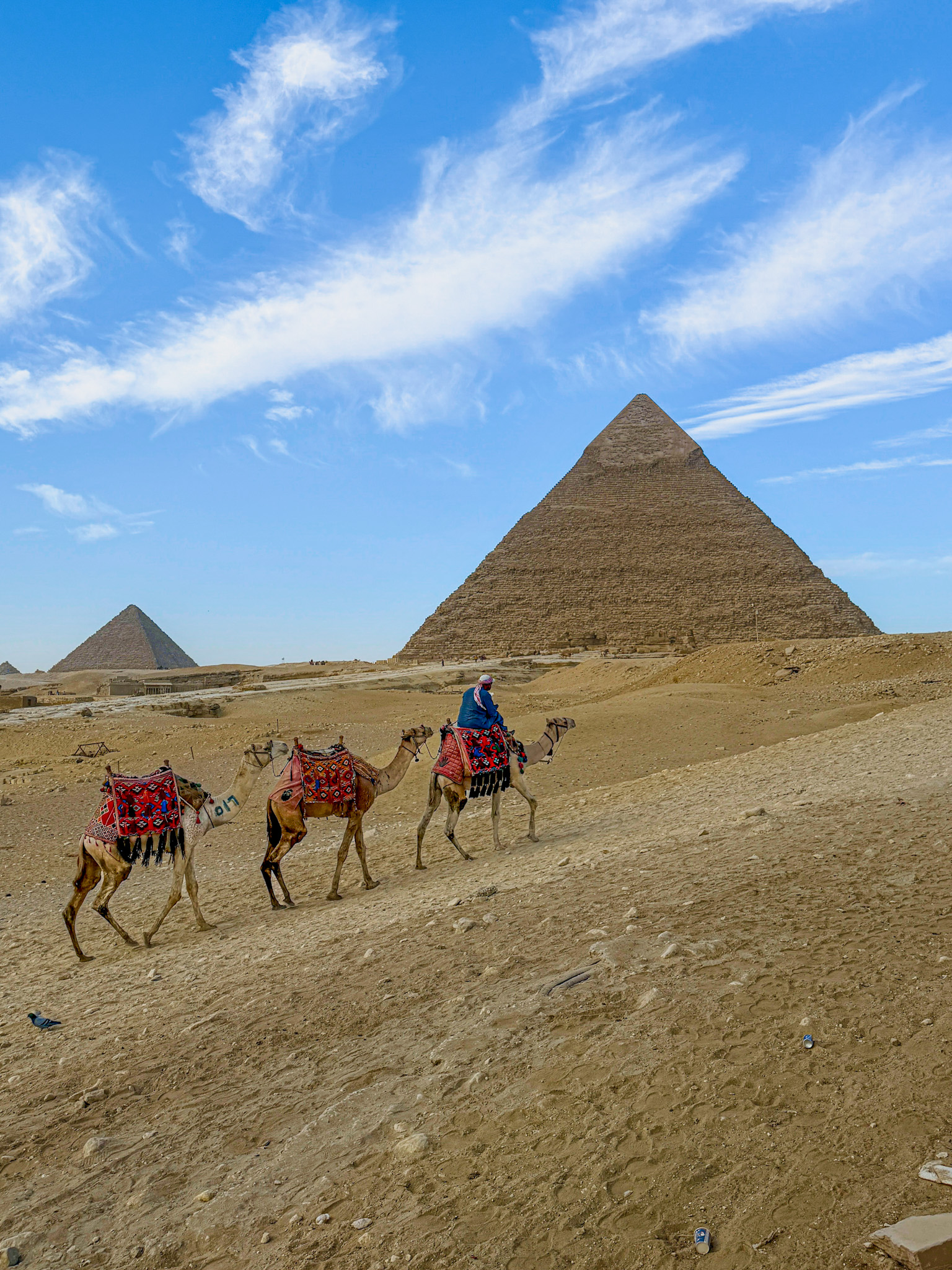
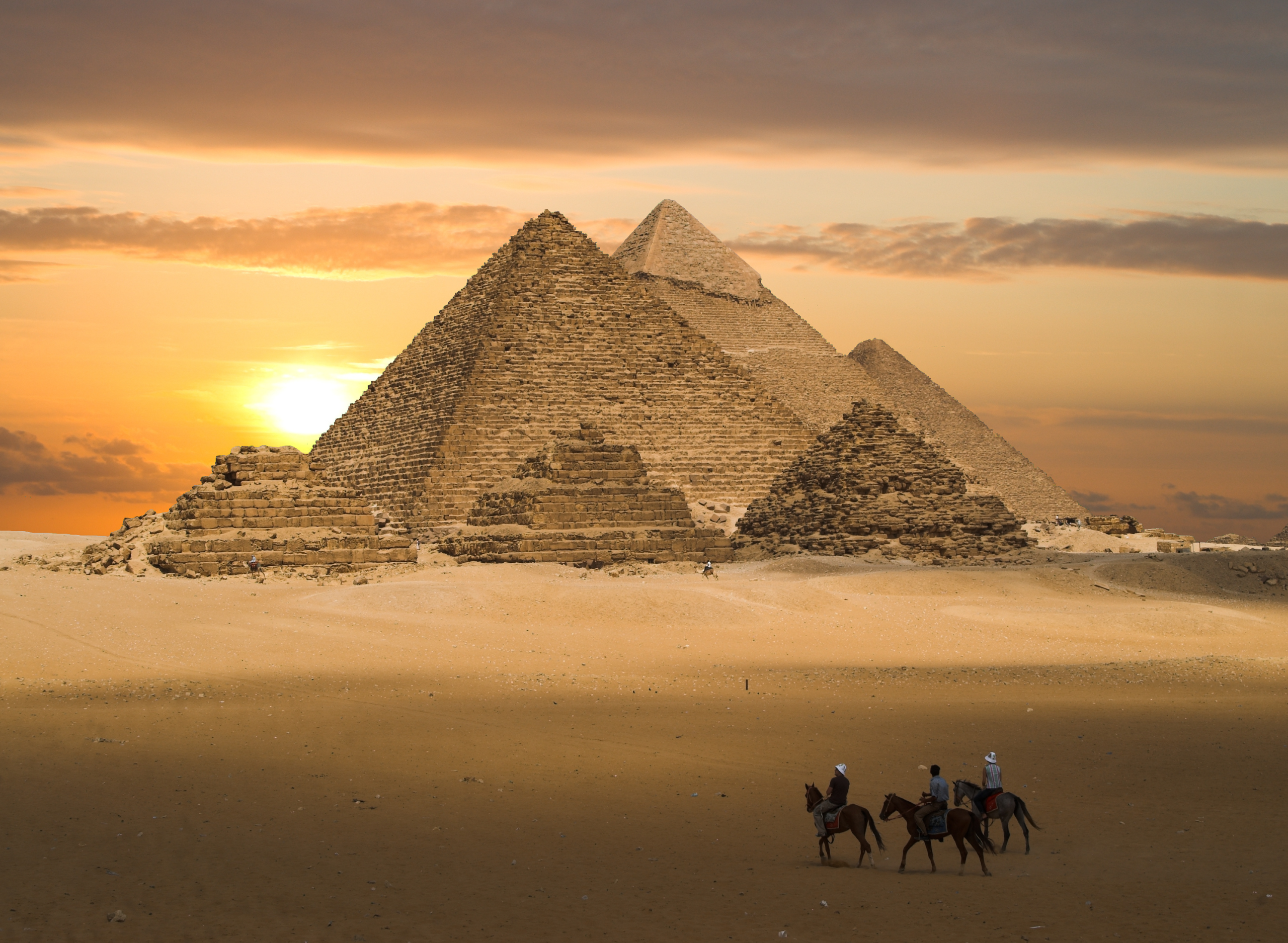
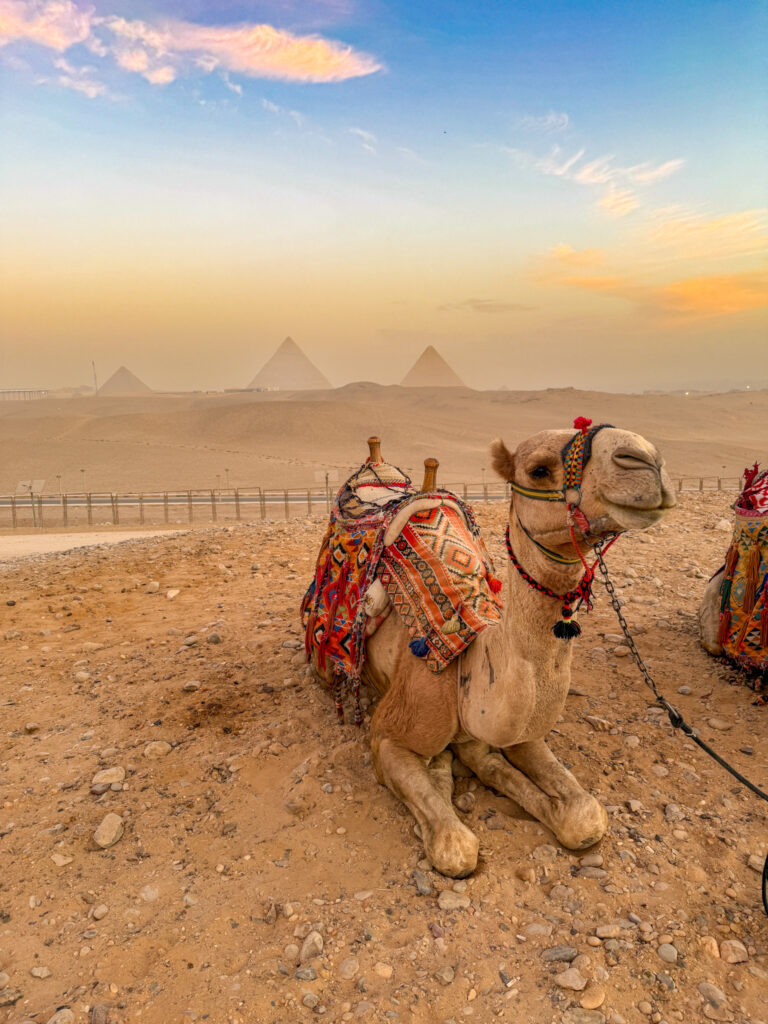
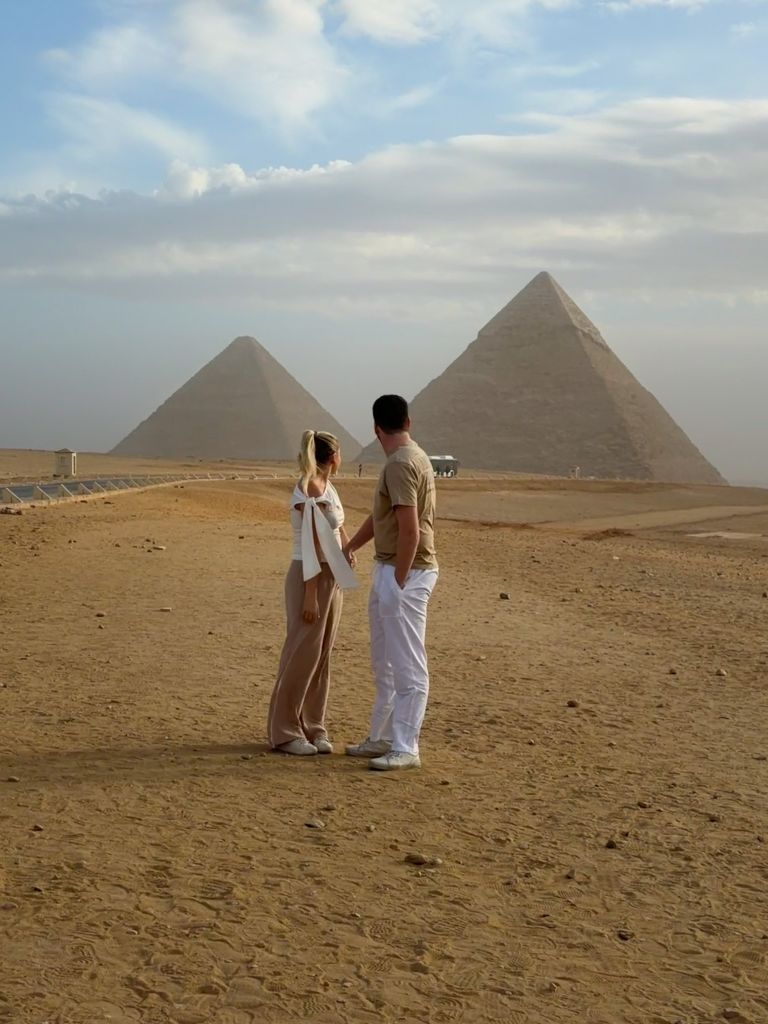
Going on a sunrise camel ride with the Giza pyramid complex in the background was such an incredible way to start our trip. Watching the sun come up over the desert while riding through the sand with the pyramids in the distance was such a surreal experience.
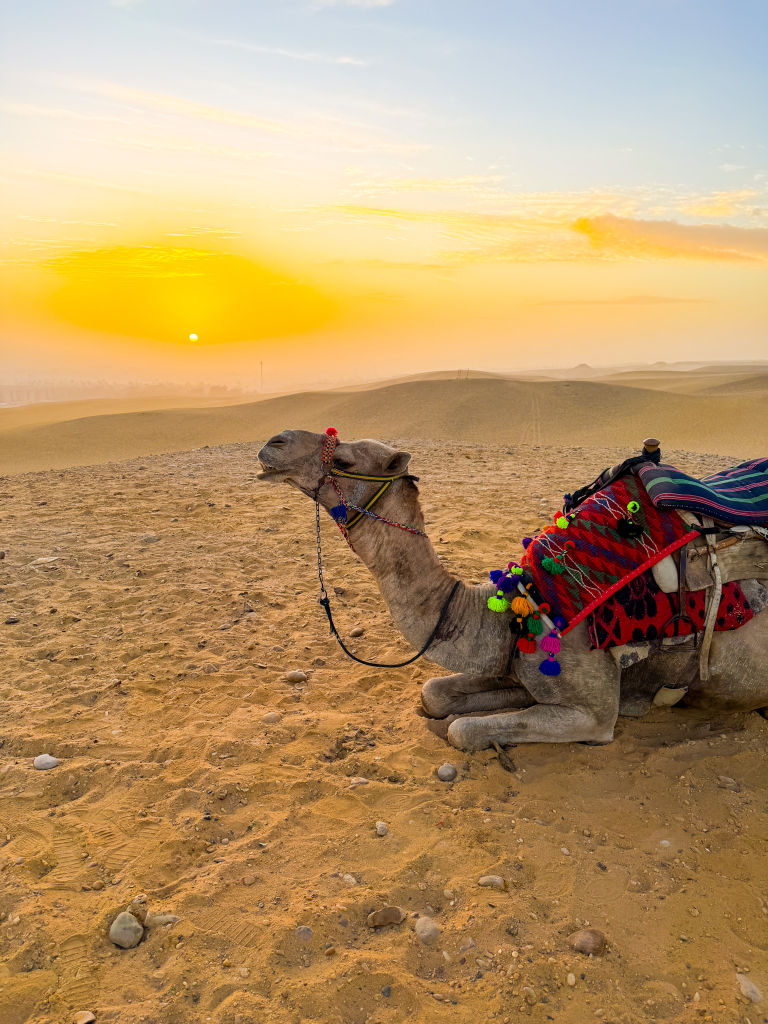
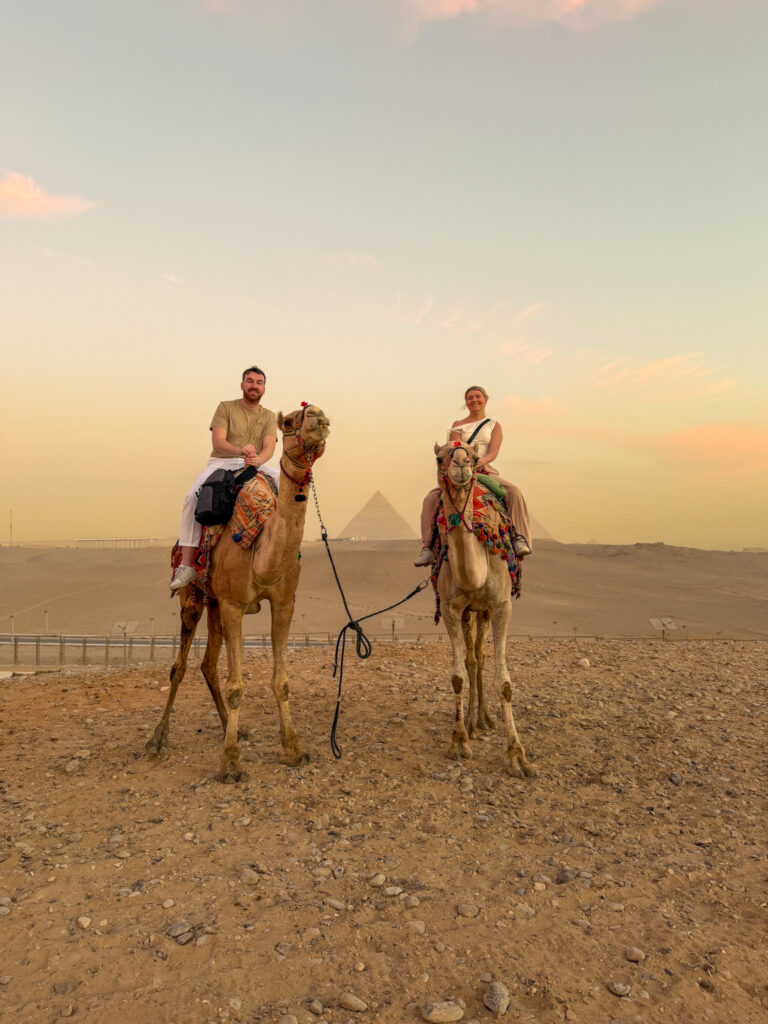
Another huge plus is that these tours usually get you into the pyramid complex right when it opens, which means fewer crowds and much better photos. We loved being able to take in the views and get photos without tons of people in the background.
It was such a unique way to experience one of Egypt’s most iconic sites, and I would absolutely recommend adding it to your itinerary.
7) Pack Insect Repellent
This is one of those things that’s easy to forget when packing, but you’ll be so glad you brought it. If you’re doing a Nile River cruise, staying near the Nile, or spending time in one of Egypt’s beach or waterfront areas, insect repellent is definitely worth packing.
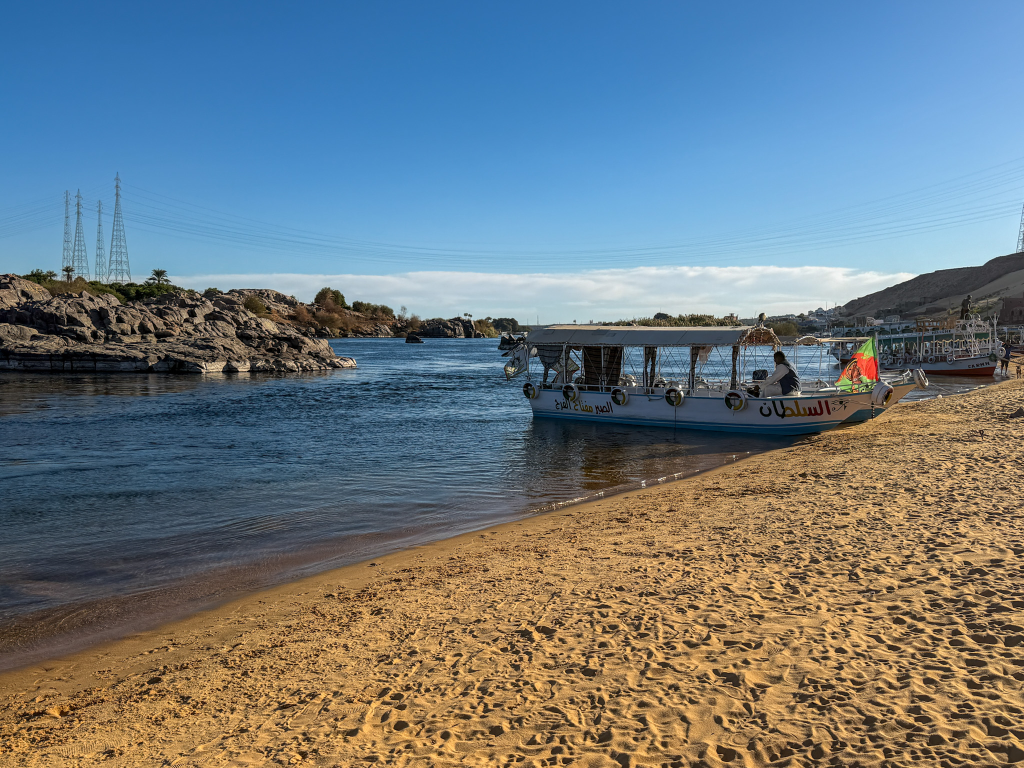
While we were in Aswan, we spent an afternoon relaxing by the beach along the Nile, and by that evening we had bug bites all over our legs. After that, we made sure to keep insect repellent with us, especially in the evenings and anytime we were near the water.
It was also a little tricky to find once we were there because most of the shops nearby catered more toward tourists and souvenirs, so this is definitely something I’d recommend packing before your trip. I purchased this high-DEET travel-size insect repellent that worked wonders when I visited the Amazon, and I really wish I had packed it for this trip as well.
8) Watch your Step at the Temples and Historic Sites
This is something I learned the hard way during our trip. Many of Egypt’s temples and historic sites are thousands of years old, which means the ground is often uneven with worn stone, dips, and unexpected steps.
It’s really easy to get distracted by the carvings and incredible details around you, so make sure to keep an eye on where you’re walking.
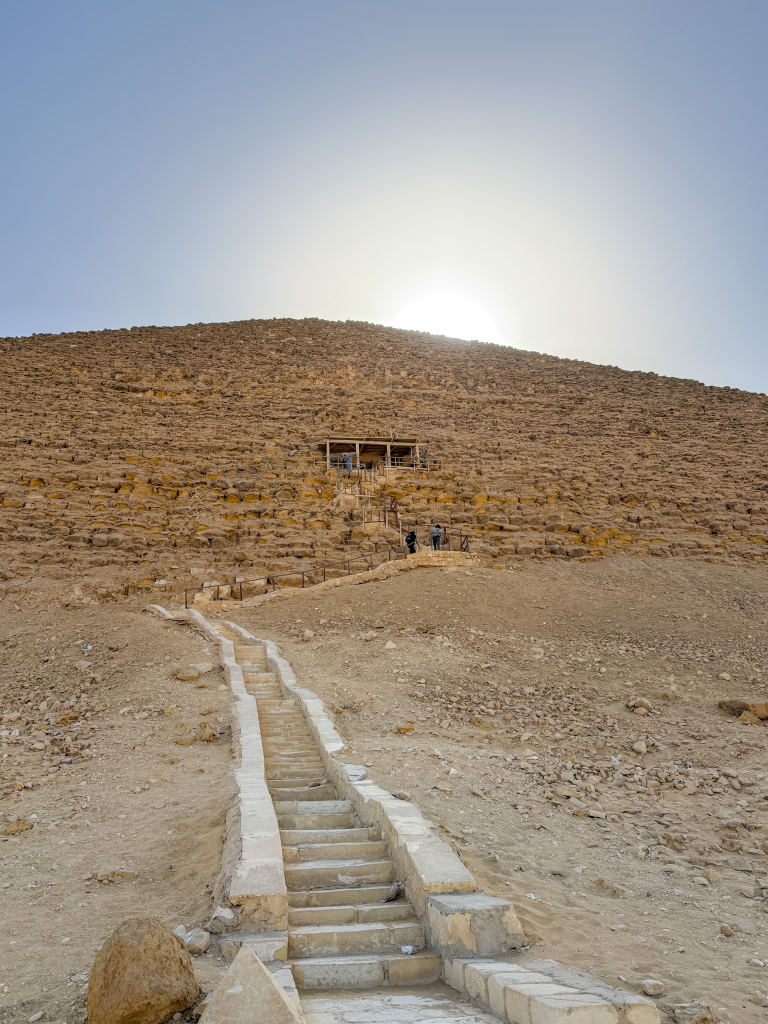
I actually twisted my ankle at Edfu Temple because I was so focused on taking in everything around me. Luckily, we were on our Nile River cruise that day, so I was able to spend the rest of the afternoon relaxing on the boat.
After that, I made sure to wear comfortable sneakers and be extra careful at all of the temples and historic sites.
9) Apply For Your Egypt Visa Online Ahead of Time
One thing that can make arriving in Egypt much smoother is applying for your visa online before your trip. Egypt offers an official e-Visa that you can apply for in advance, and I would definitely recommend doing this if you can.
While you can still purchase your visa on arrival at the airport, having it sorted beforehand makes the arrival process much easier after a long flight. If you do plan to apply online, make sure to use the official government website and apply at least a week before your trip.
If you decide to wait and get it at the airport instead, it’s still a straightforward process, but the lines when we arrived were quite long so it took over 30 minutes. Another thing to keep in mind if you’re getting your Visa at the airport is that you’ll need US dollars as they don’t accept Egyptian pounds.
10) Negotiate Prices and Check Costs Before Paying in Egypt
One of the biggest things to know before visiting Egypt is that if something doesn’t have a clearly listed price, it’s usually expected that you negotiate. Whether it’s something small like a coffee or a larger purchase like a hand-crafted rug, it’s always a good idea to check the price beforehand and be prepared to haggle a little.
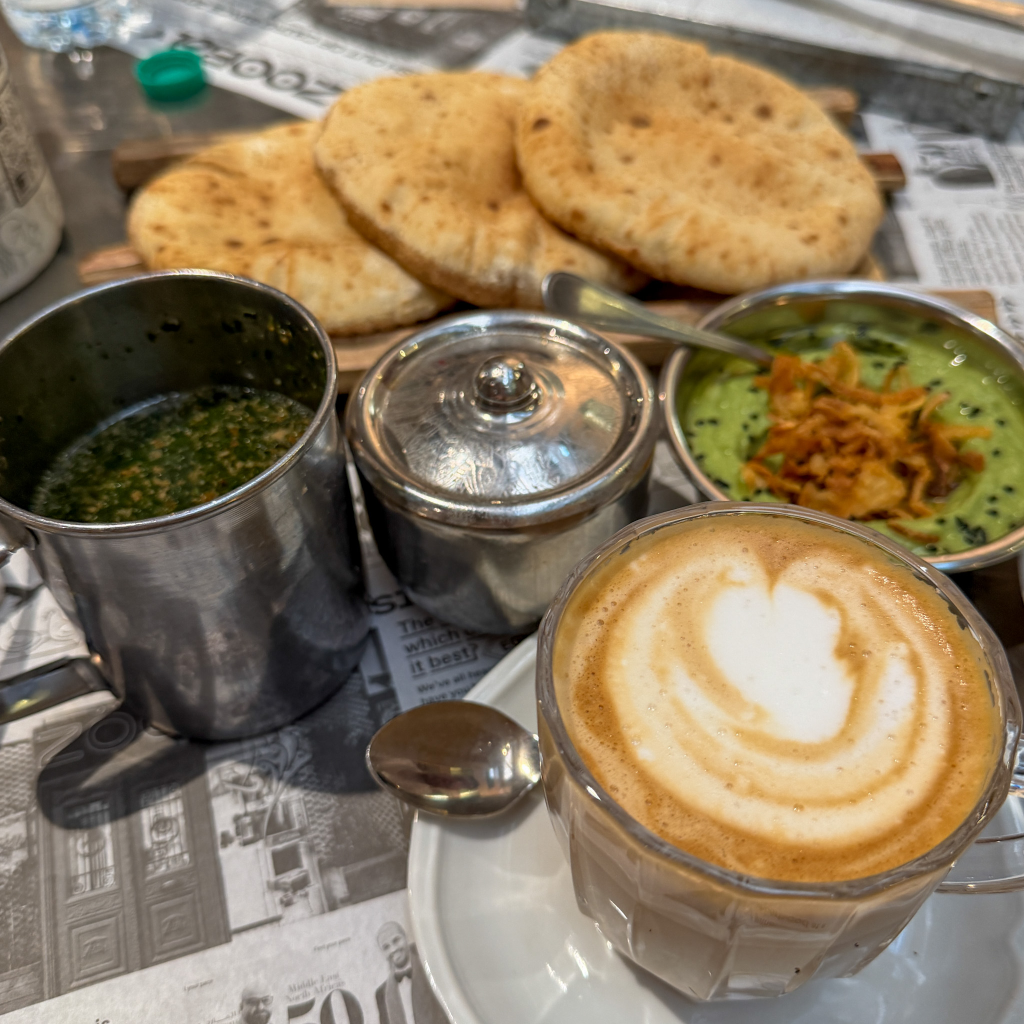
The selling culture in Egypt can be very different from what you may be used to, and unfortunately tourists are often quoted much higher prices. Before handing over cash or tapping your card, it really helps to quickly convert the amount into your own currency so you know exactly what you’re paying.
This is not just something to keep in mind at markets and souvenir stalls. We found it helpful to double check prices at some cafés and shops as well, especially in more tourist-heavy areas.