

Egypt had been our dream destination for years, but nothing fully prepares you for experiences such as standing face-to-face with the Giza Pyramids, sailing down the Nile River, or walking through temples that are thousands of years old.
In just one unforgettable week, we travelled across Cairo, Aswan, and Luxor, where we saw a wide variety of breathtaking sights and delved deep into Egyptian culture.
From sunrise camel rides near the pyramids to peaceful felucca sails Truly a trip of a lifetime.
Is One Week in Egypt Enough?
While you could easily spend weeks exploring Egypt, 7 days is the perfect amount of time to see the highlights. This itinerary balances busy sightseeing days in Cairo with a slower pace in Aswan and Luxor, especially during the Nile cruise, which ends up being one of the most relaxing parts of the trip.
You’ll visit iconic sites like the pyramids, ancient temples, and tombs, while still having time to enjoy the experience instead of constantly rushing. If this is your first time in Egypt and you want a well-rounded introduction, 7 days is a great starting point.
7 Day Egypt Itinerary At A Glance
Days 1-2: Cairo
Hotel: Pyramids View Inn (incredible views of the pyramids, low prices, rooftop restaurant)
Activities we did here were:
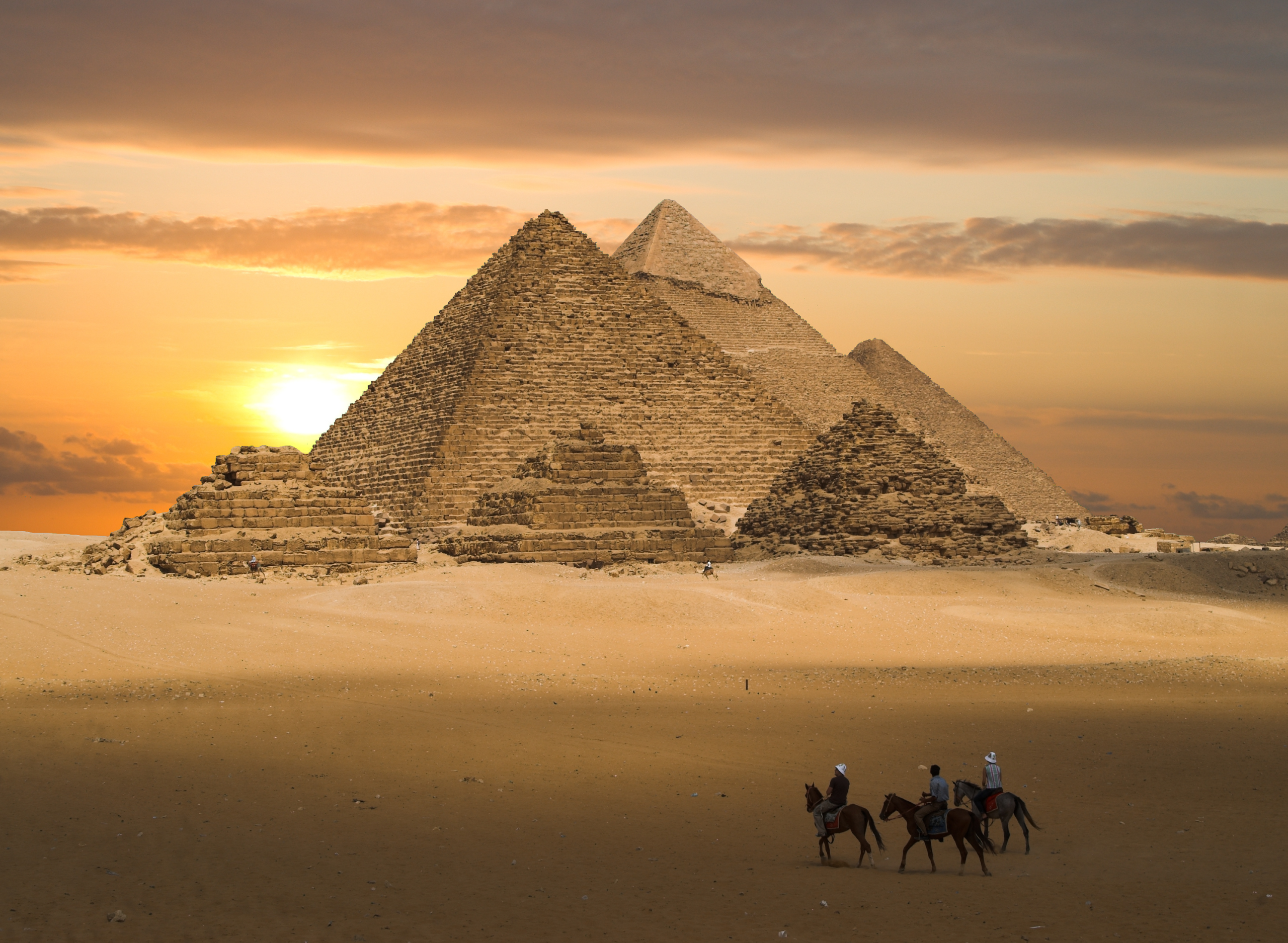
Sunrise Camel Ride and Giza Pyramids Complex Tour (sunrise camel ride through the desert with views of the pyramids followed by a tour of the Giza Pyramid Complex- one of our top things we did in Egypt)
Grand Egyptian Museum (the largest museum in Egypt- a must-see! Be sure to book tickets in advance)
Saqqara Pyramid Complex and Memphis (see the oldest pyramid in the world and Lower Egypt ex-capital)
National Museum of Egyptian Civilization (Royal Mummy Hall)
Khan El-Kahili Market (bustling bazaar perfect for souvenir shopping, just be prepared to negotiate down prices)
Days 3-4: Aswan
Hotel: Kato Dool Wellness Resort (we booked a room with a jacuzzi tub on the balcony)
Our favorite things we did were:
Felucca Sunset Sail on the Nile (there are multiple times available for this excursion, but we recommend the later time so you’re sail with be during sunset)
Explore the Nubian Village (colorful houses and incredible spices)
Philae Temple Sound and Light Show (immersive experience)
Days 5-7: Nile River Cruise to Luxor
Nile River Cruise: 3-Day Cruise from Aswan to Luxor with Hot Air Balloon (one of the only Nile River Cruises we could find that was only 3 days as opposed to 4 or 5, a great deal for everything it includes!)
Our cruise included:
Abu Simbel morning tour
Evening visit to Kom Ombo Temple
Horse drawn carriage ride to Edfu Temple
Sunrise hot air balloon ride and Luxor Day Tour
Day 1 (Cairo): Sunrise Giza Pyramid Tour and Grand Egyptian Museum
Day 1 in Egypt is off to an early start and one of the busiest days of our trip. It starts with a sunrise camel ride before exploring the Giza Pyramid Complex. Next, we’re off the Grand Egyptian Museum to see some of Egypt’s ancient artifacts, including the famous treasures of Tutankhamun.
Sunrise Camel Ride and Giza Pyramid Tour
When planning our Cairo itinerary, of course the iconic Giza Pyramid’s was the very first thing on our list. Our day 1 tour will began with getting a first glimpse of these legendary structures at the crack of dawn while taking a sunrise camel ride through the desert.
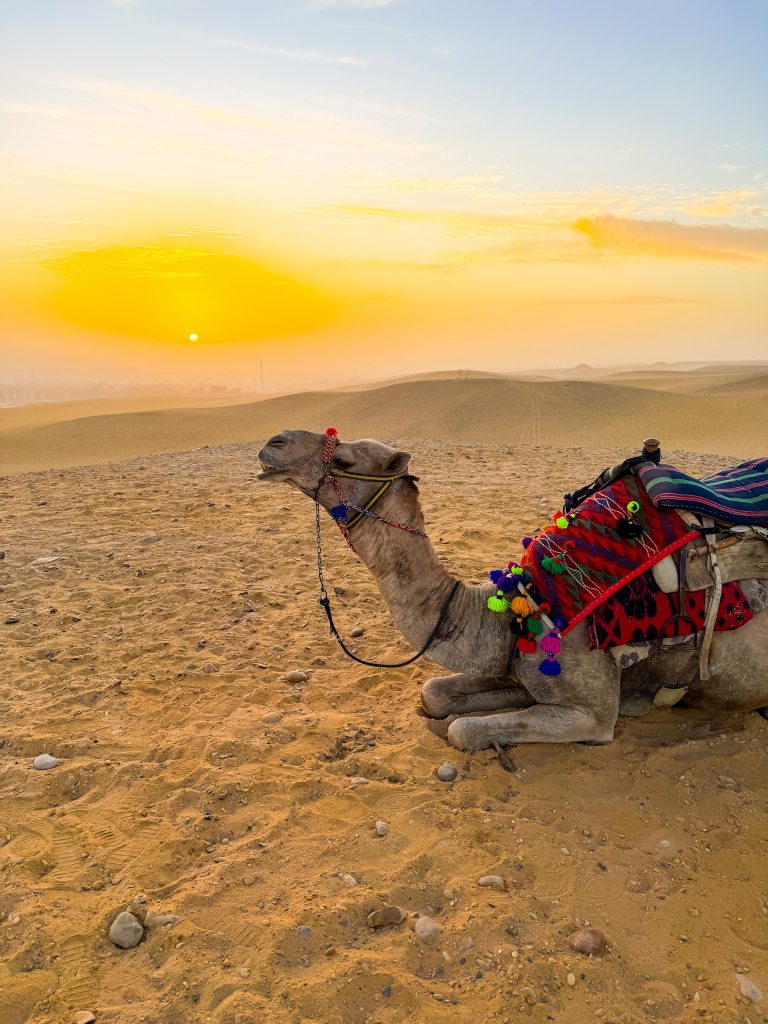
The camels were led in a single file by our guide, which meant we could just sit back and enjoy the ride. Although you will not be inside the Giza Complex at this point since it hasn’t yet opened, the desert viewpoint is close enough to get an incredible view. We stopped to watch the sun come up and had plenty of time for photos. Our guide was happy to help and even gave us tips on where to stand and how to pose, which made a big difference
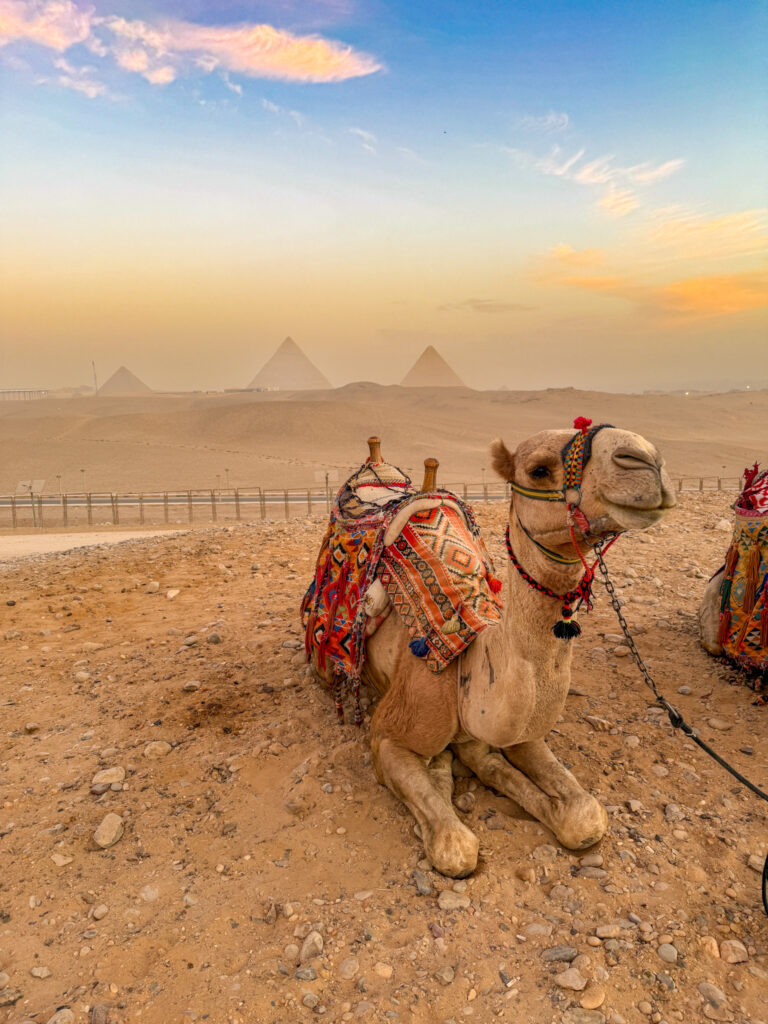
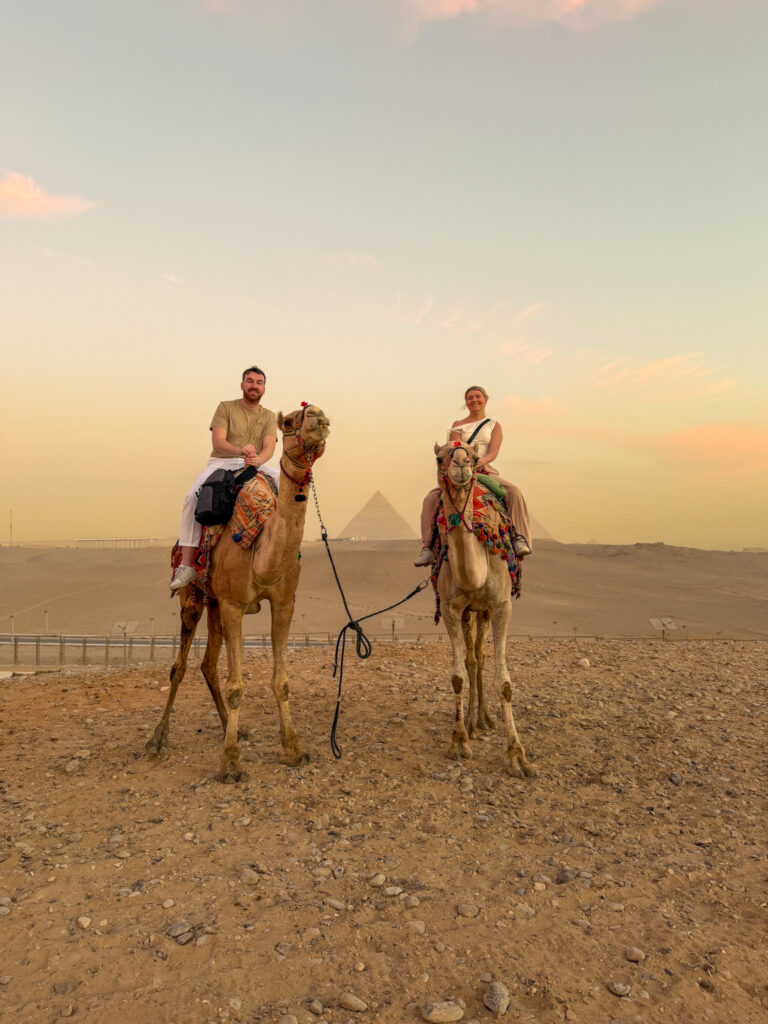
Afterward the camel ride, we headed into the Giza Pyramid Complex itself. One of the best parts to this sunrise tour is arriving before the large crowds. We were one of the first people there and were able to take our time walking around, soaking it all in, and take photos without crowds of people.
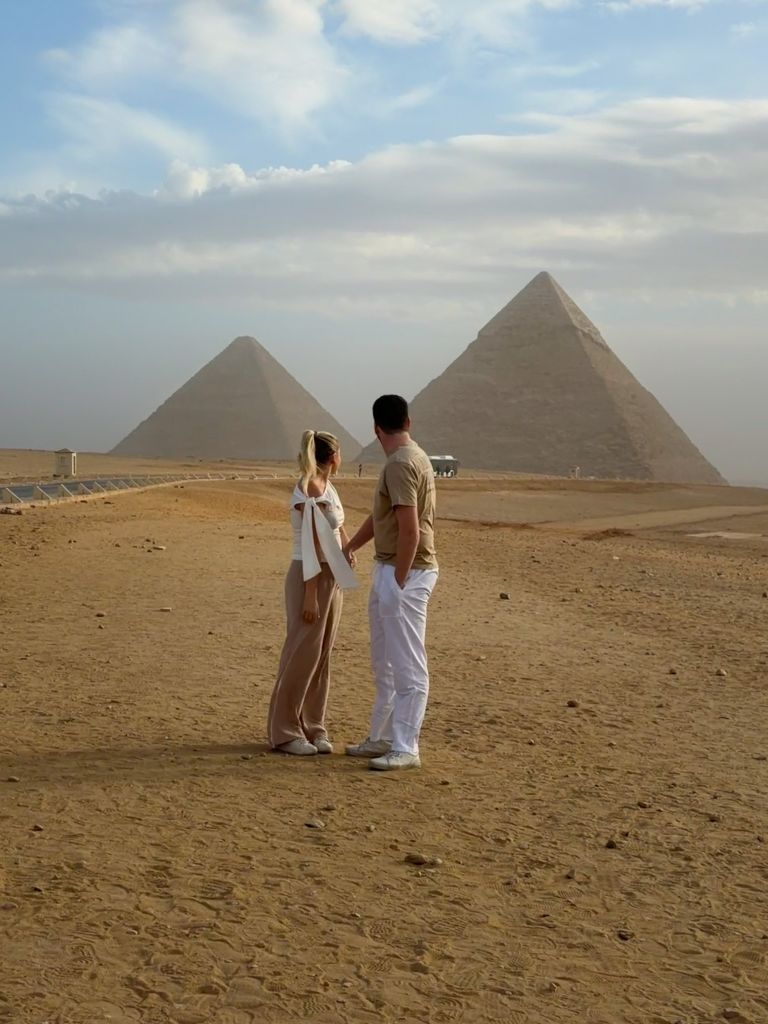
Seeing the pyramids up close was truly a bucket-list experience, and felt almost surreal. The pyramids’ symmetry, size, and age will have you scratching your head in awe as to just how they were built. Constructed over 4,500 years ago, the pyramids were made as tombs for the pharaohs.
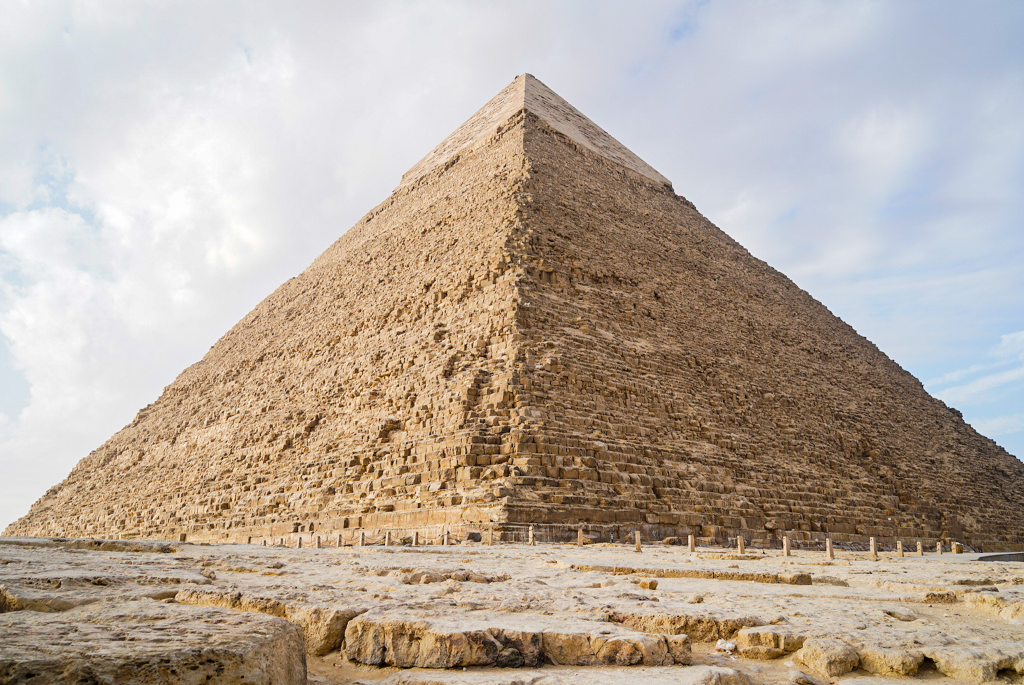
A short walk away is the Sphinx which is believed to represent the Pharaoh Khafre and serve as a guardian for the pyramids. Standing at the viewing platform in front of the Sphinx with the pyramids in the background was simply phenomenal and one of the most unforgettable moments from our time in Egypt.
Explore The Grand Egyptian Museum
After a short nap back at our hotel, we were off to The Grand Egyptian Museum which is the largest in Cairo, featuring hundreds of thousands of artefacts, monuments, and royal treasures.
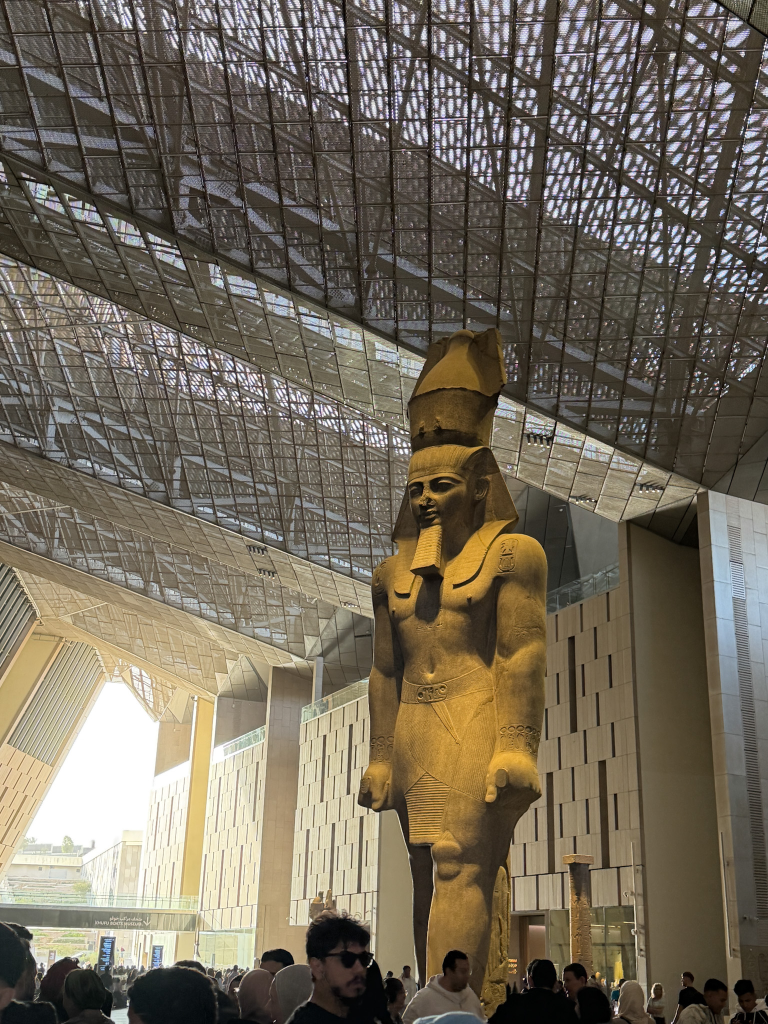
The exhibits are excellently presented across numerous floors and will educate you all about Egypt’s most influential figures across its different dynasties. The collections here are quite incredible and you will genuinely be spoiled for choice.
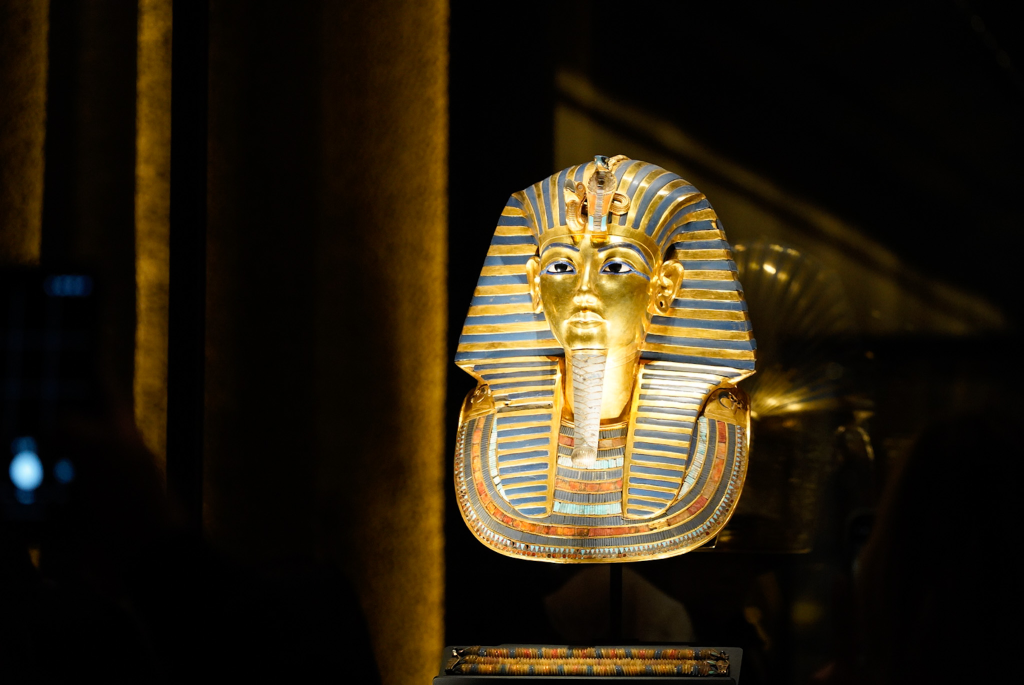
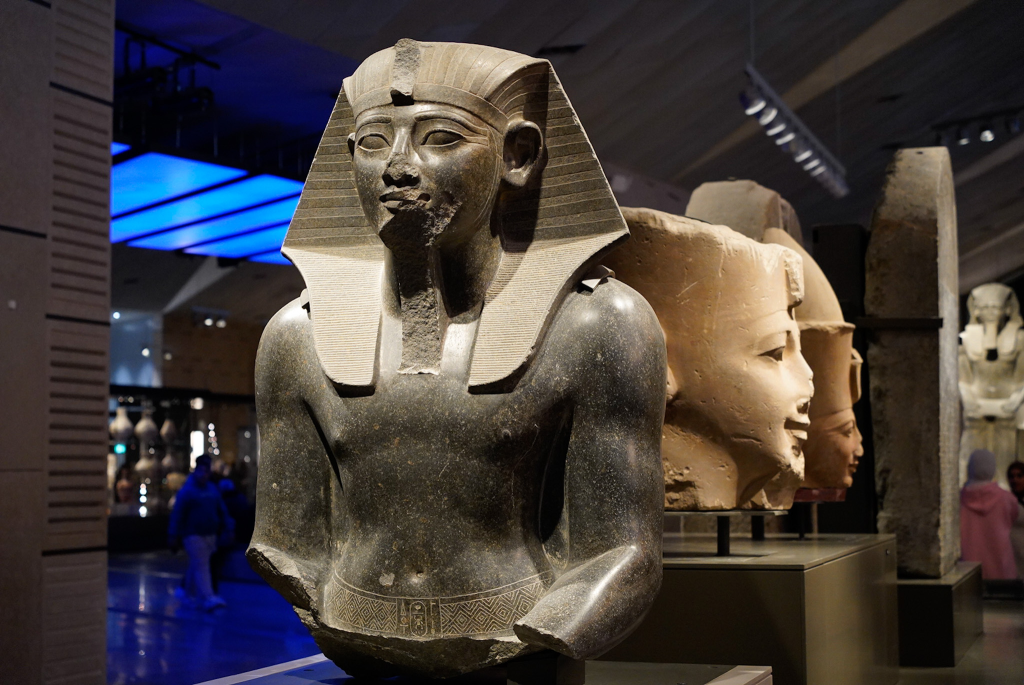
If there is one portion of the museum that is a must see, we would suggest prioritizing the golden mask of Tutankhamun which is the ‘Mona Lisa’ of the museum.
A few other must-sees at the museum are:
- Colossal Statue of Ramses II (you’ll see this impressive monument right when you enter the museum)
- Khufu Solar Boat (the trickiest to find since it’s a separate gallery, check for signage or ask staff for the “solar boat museum)
- Grand Staircase Statues and Monuments (past the Colossal Statue of Ramses II and to your left, on the way to the main artifact halls)
We booked tickets which included a two-hour group tour. We highly recommend taking the guided tour, which removes the dilemma of where to start and what to see, as your guide uses their knowledge and experience to show you the best the museum has to offer, while providing you with a comprehensive history of Ancient Egypt throughout your visit.
Day 2 (Cairo): Saqqara, Dahshur, and Memphis Tour, Museum of Egyptian Civilization, and Khan el-Khalili Market
While the Giza Pyramids are by far the most famous pyramid complex, you can’t visit Cairo without a trip to the oldest Pyramid in the world, in Saqqara.
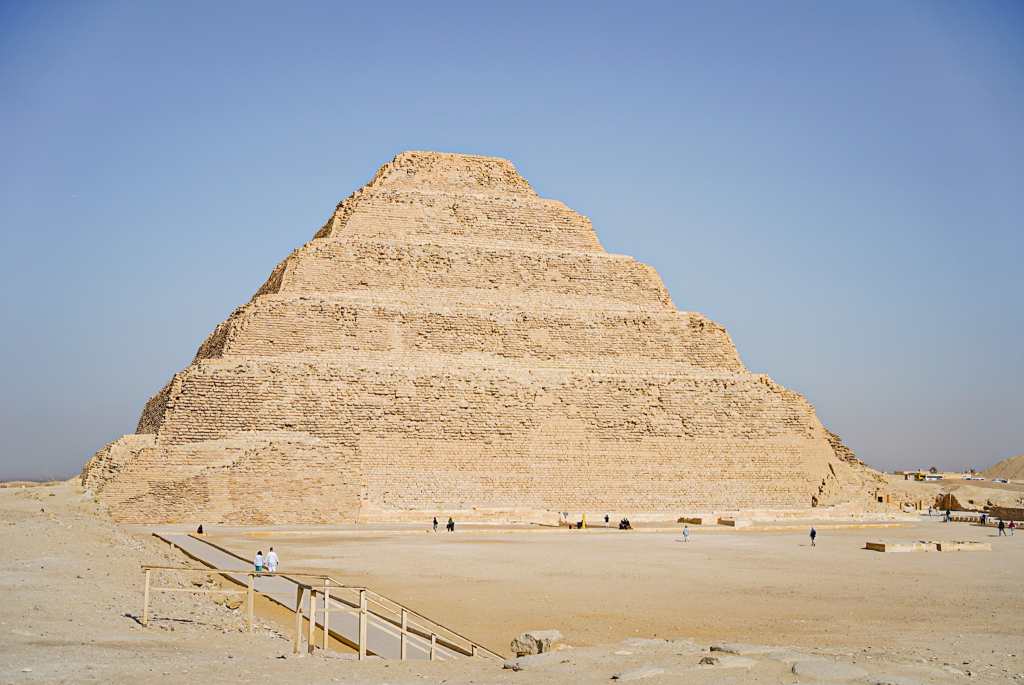
The Stepped Pyramid of Djoser, built almost 5000 years ago is an amazing spectacle and the Saqqara complex is home to other pyramids and tombs that were constructed across various time periods, giving you a perceptive look at Egyptian building practices and culture.
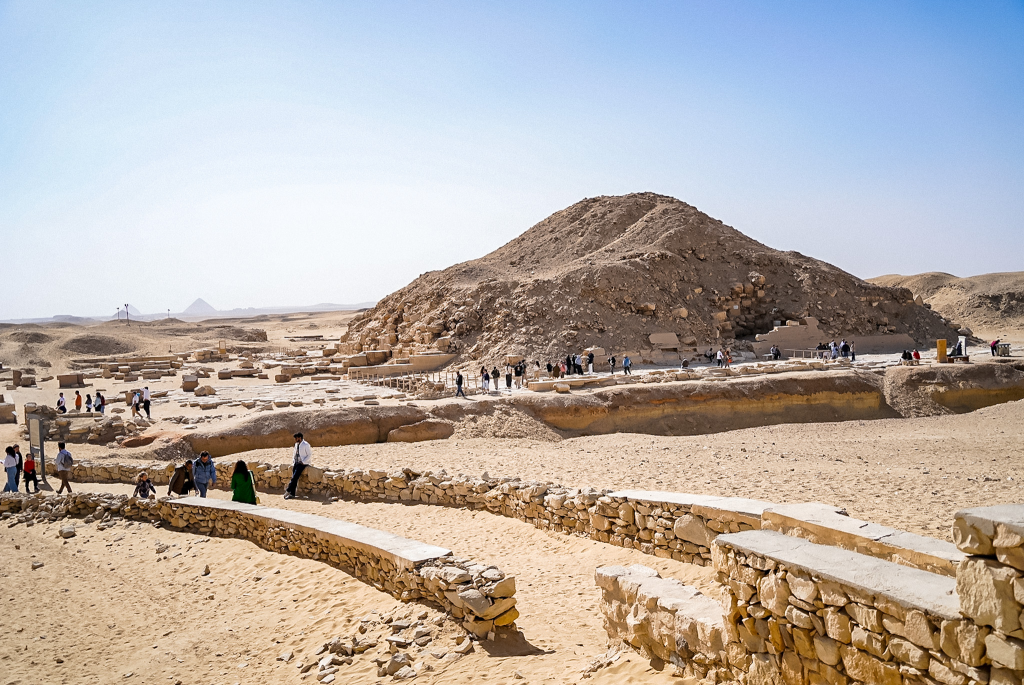
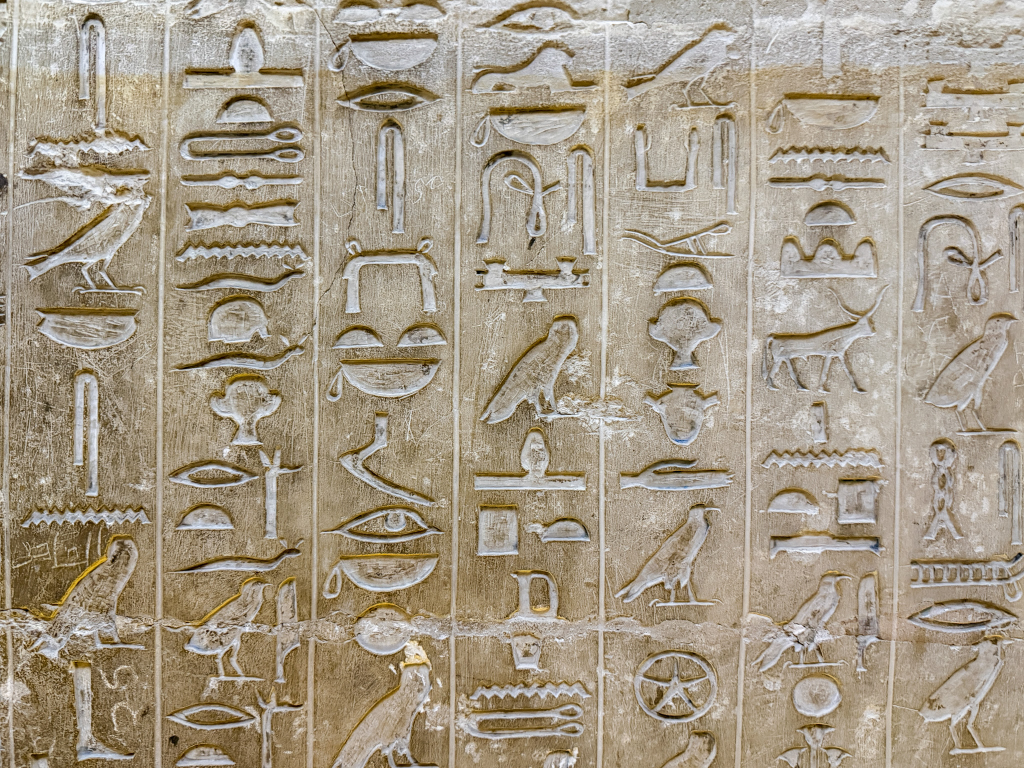
Right next door is the Pyramid of Unas, which doesn’t look like much from the outside as weathering has destroyed most of the outside, but inside you are invited to explore the burial chamber within, where you’ll also see the infamous hieroglyphics etched into the walls.
Next on your agenda will be the Dahshur pyramid complex, featuring some very different pyramids from Saqqara and with their own stories to tell. Featured here is the Red Pyramid, which was the first successful sloped, symmetrical pyramid built by the Egyptians.
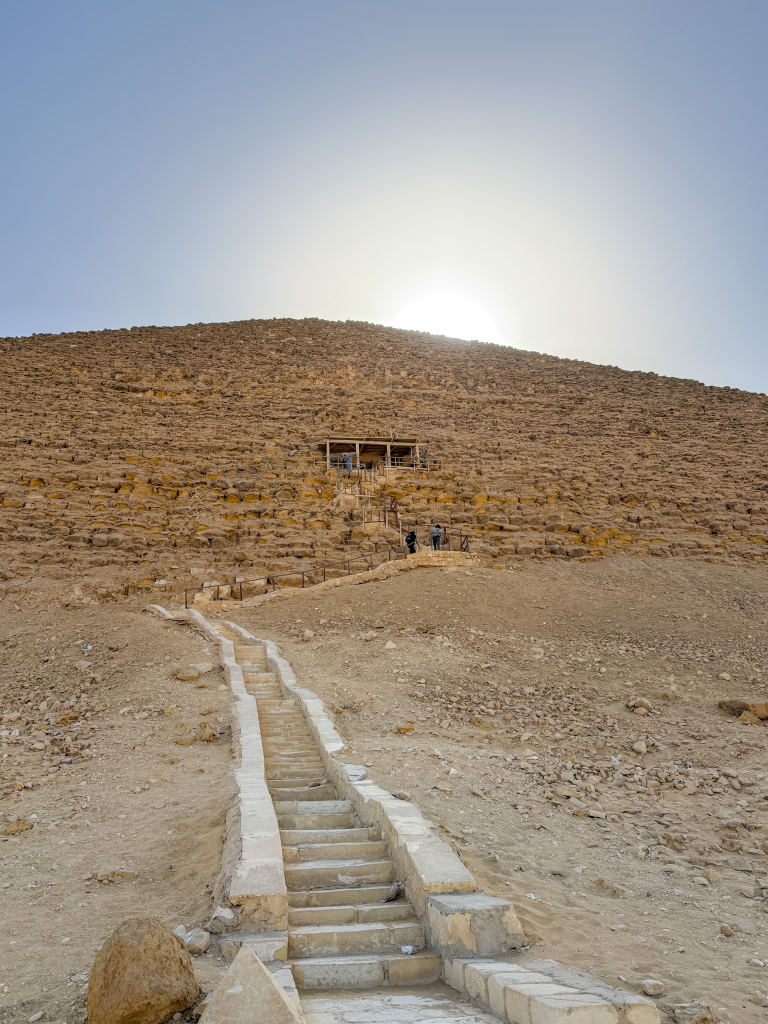
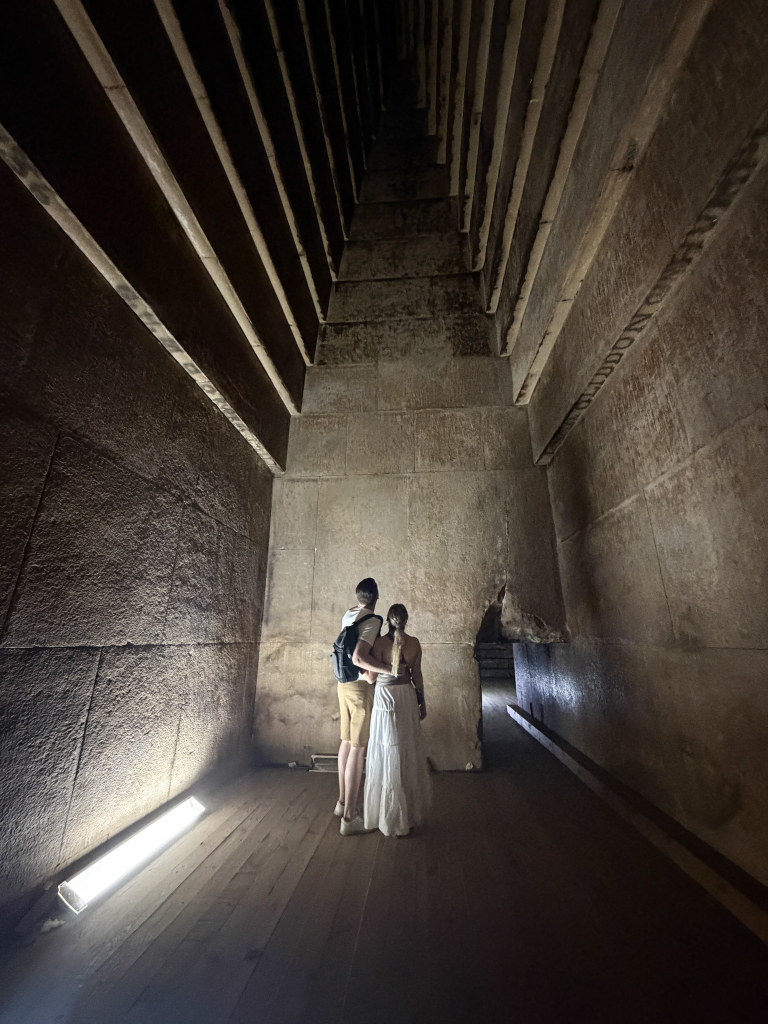
You will be free to go inside and explore the three burial chambers within, featuring a high corbelled roof that gives it a spacious feel. Dahshur is also home to the Bent Pyramid, another uniquely fascinating structure where you can see how the design was revised halfway through the project, and hence, the double slope that’s clearly visible. There are two burial chambers to tour here, with each having its own separate entrance.
Lastly, on your guided tour, you will visit the ancient city of Memphis, which is essentially an open-air museum with many impressive monuments on display.
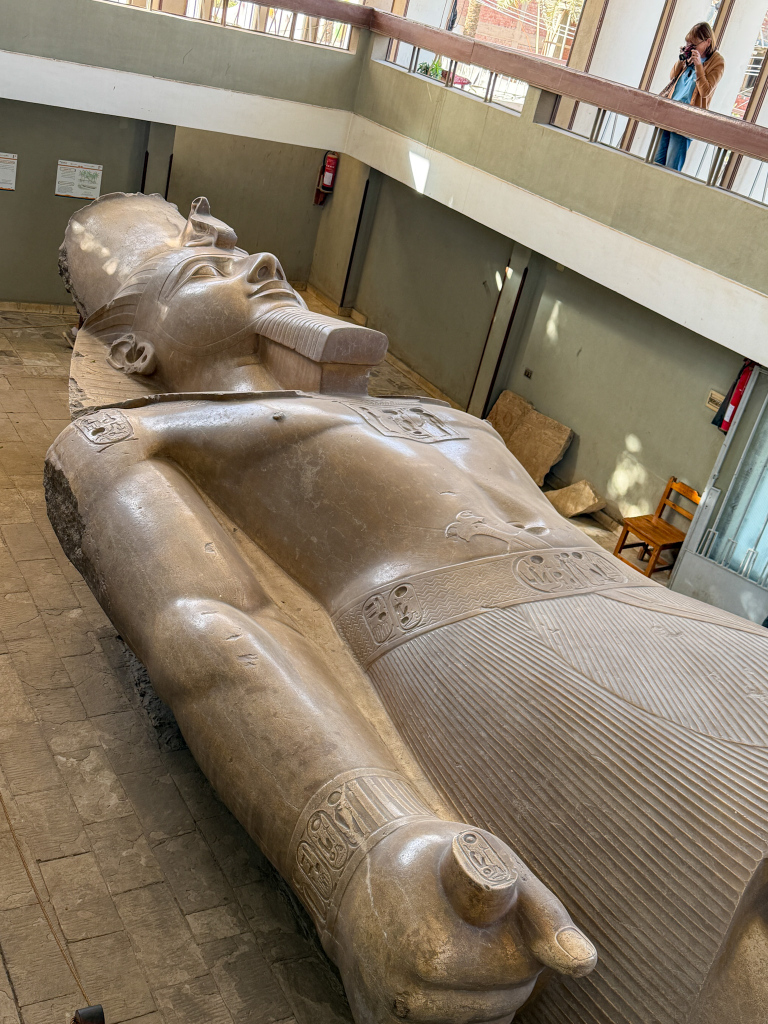
Once the capital city, Memphis is home to the colossal statue of Ramses II, which is over 30 feet in length. Today it is presented lying flat on its back due to damage at its base, and the statue is housed in an enclosure that allows you to view it all the way around, as well as from above on the second floor.
After our tour concluded, we still had the evening to ourselves, so we decided to squeeze in two more places to visit: the National Museum of Egyptian Civilization and the Khan el-Khalili market. To get around, we took an unorthodox approach by haggling with a taxi driver on the street and negotiating a price for him to drive us from one destination to the next and then drop us off at our hotel afterwards. We exchanged numbers so we could text him via WhatsApp when we were finished at each place.
Next up, the National Museum of Egyptian Civilization and its extraordinary Mummy Hall, which features the largest collection of the mummified remains of Egypt’s most famous and influential Kings and Queens. This museum was not particularly busy when we visited, and we recommend starting on the bottom floor in the Mummy Hall. This is a surreal exhibit and super informative, with the accompanying information boards telling you all about who you are looking at and their significance. The upper floors of the museum contain beautifully laid out artefacts, manuscripts, paintings, and photographs that provide rich context on what kind of lives everyday people lived. The exhibits span from prehistoric to modern times and will leave you with an in-depth knowledge of Egyptian culture and practices, and how they’ve developed over time.
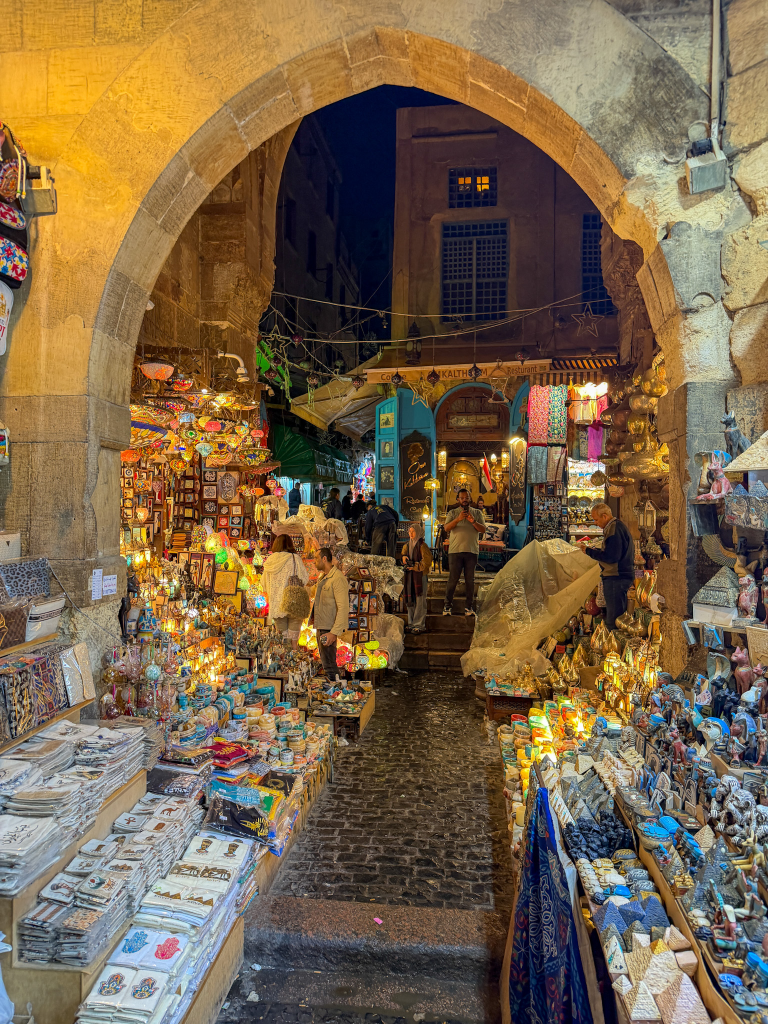
The last stop of the day will be the Khan el-Khalili bazaar, right in the heart of Cairo. The thin alleys and streets, that weave through the city, are lined with shops bustling with locals and tourists alike. You can find really nice souvenirs here but there will also be a lot of mass-produced goods from China so be aware. Regardless of whether you’re looking to buy, it is just a really cool place to go for a stroll and take in the lively atmosphere. The architecture of some of the buildings when you look up is really beautiful so be sure to keep an eye out for that. We recommend sitting outside a cafe, ordering a drink and do some people watching.
Day 3 (Aswan): Nile Felucca Ride and Nubian Village
After an exciting (but slightly chaotic) two days in Cairo, we flew to the city of Aswan, where we took the pace down a notch for the next few days. With its greenery, Nile River views, and slower pace, Aswan feels like an oasis in Southern Egypt.
Relax and Unwind at Kato Dool Wellness Resort
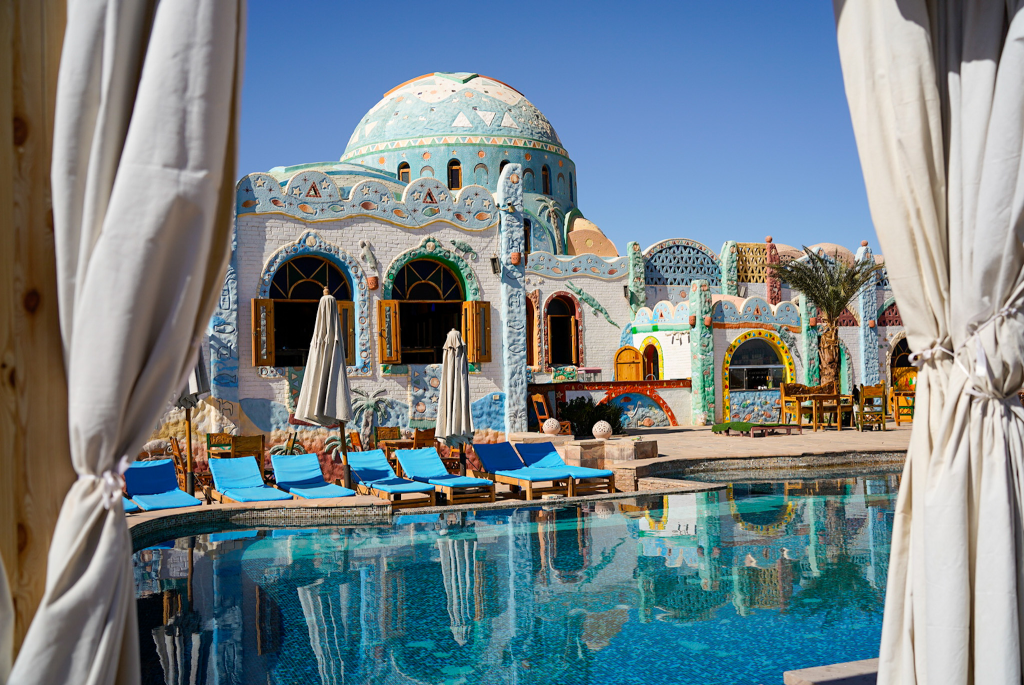
We stayed at the serene Kato Dool Wellness Retreat on the edge of town, where our surroundings were as peaceful as they were beautiful. This was a great base for us to unwind and relax while still being close enough to explore Aswan and the nearby Nubian Village.
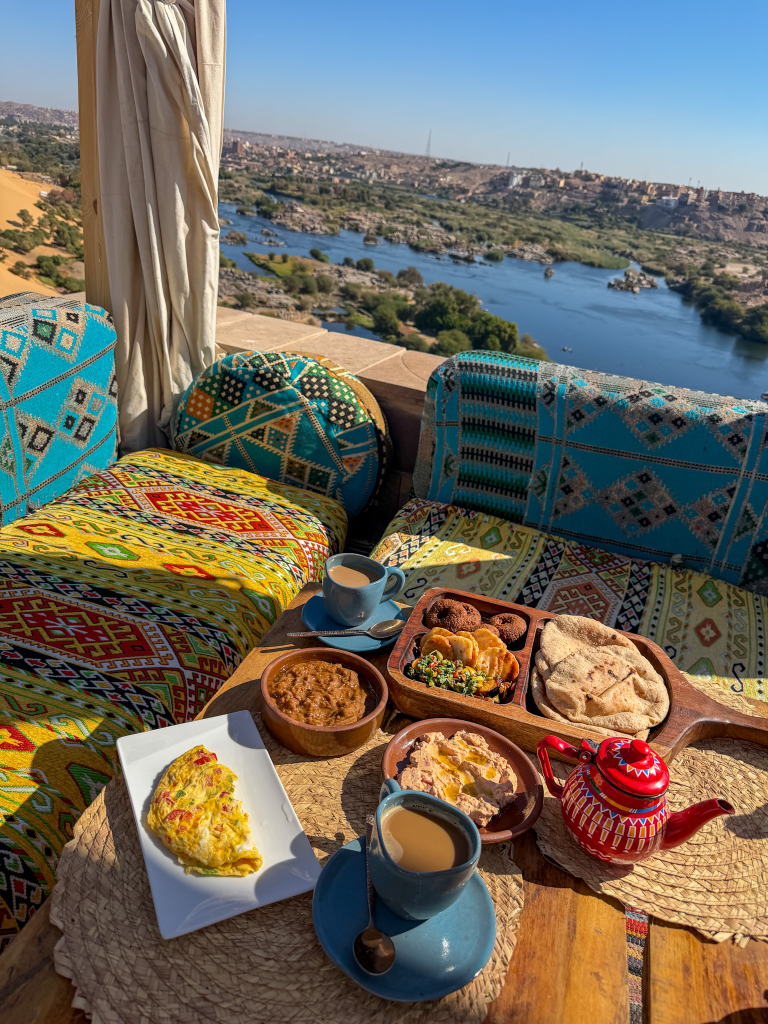
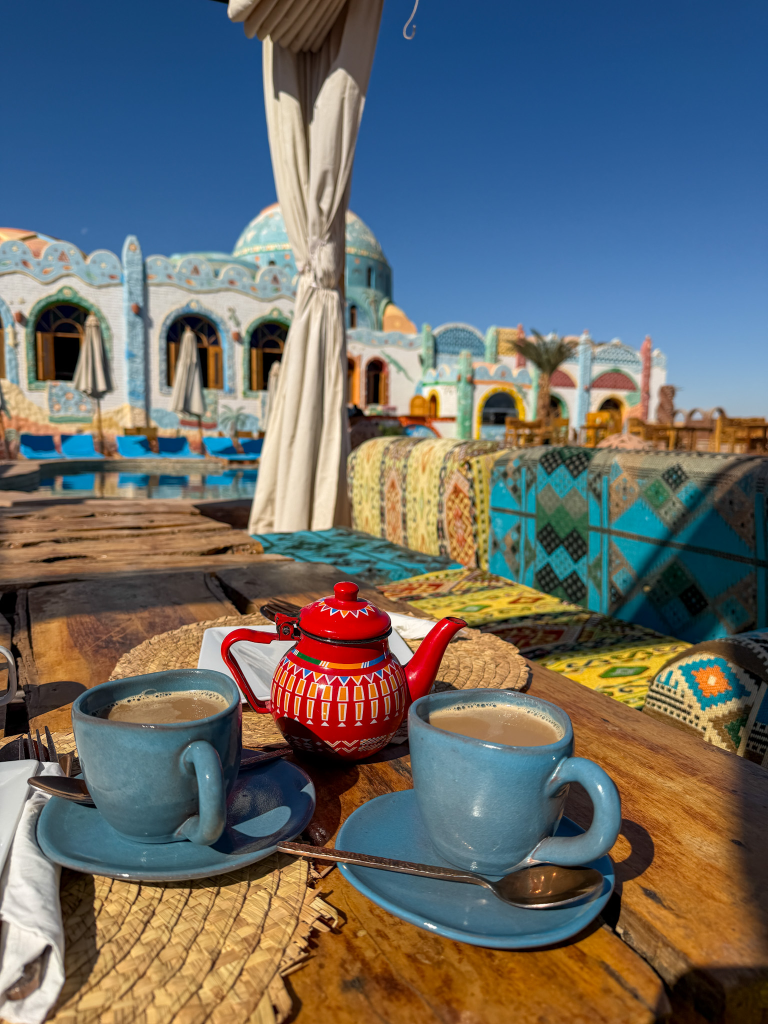
The resort sits on a hill overlooking the Nile River, which meant we had incredible views from our room and the pool deck area. We never got tired of watching boats pass by on the Nile, especially during sunrise and sunset.
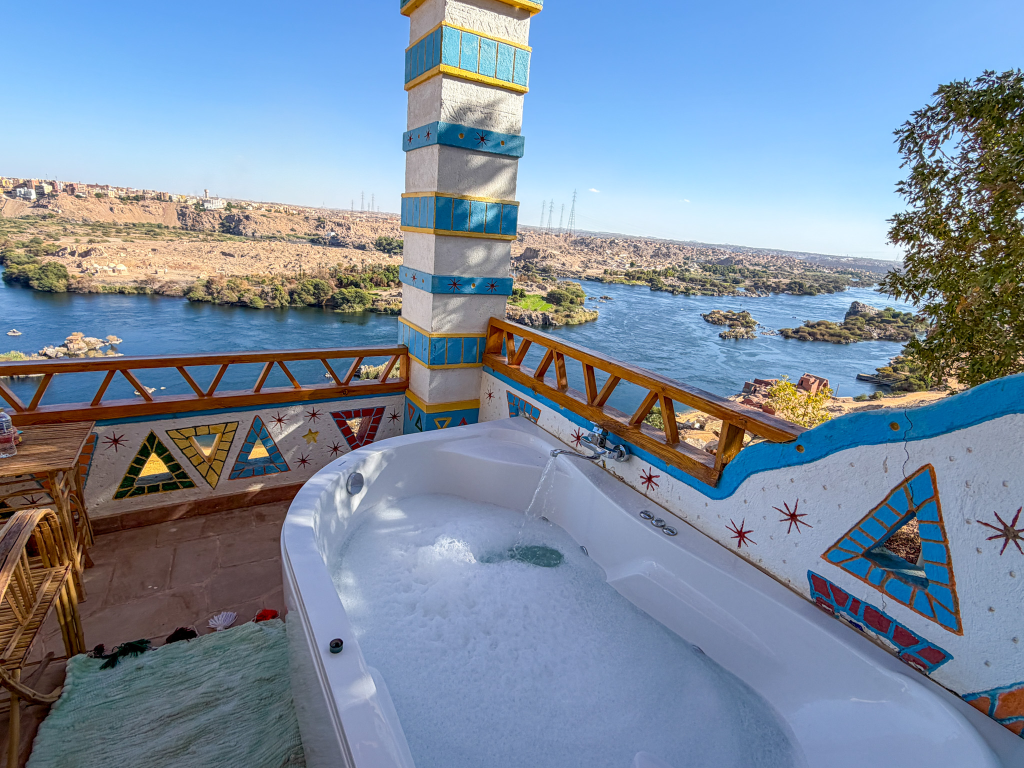
We splurged (though for the cheap price felt more like a steal) on a room with a bathtub on our balcony, which we used both nights during our stay to bathe beneath the starry night sky. Overall, this was a true slice of paradise, and you won’t regret your stay.
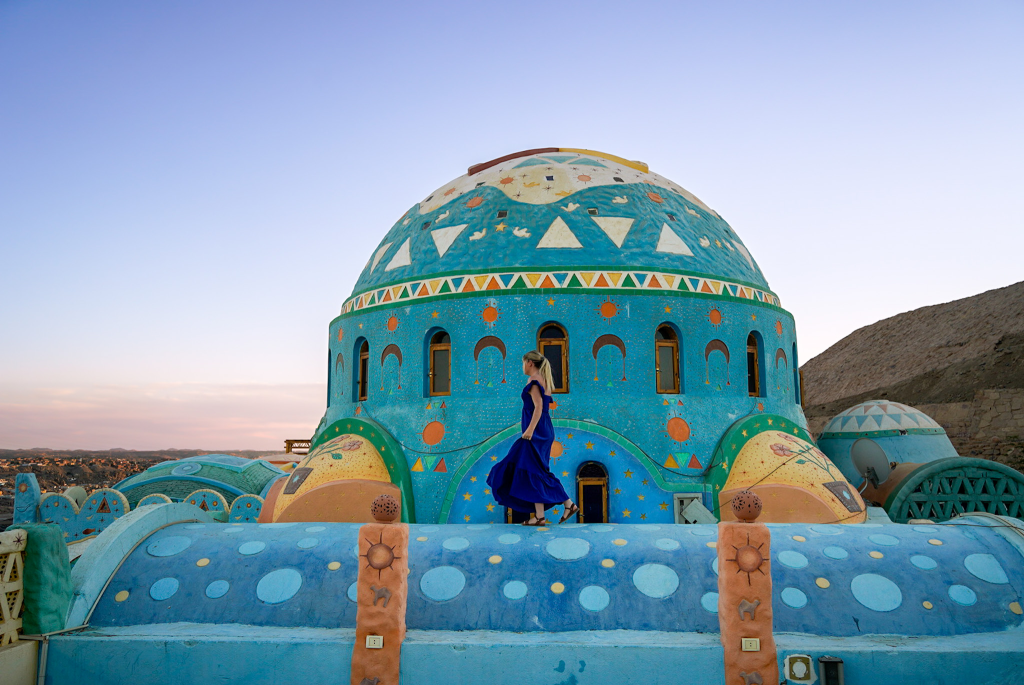
Go On A Sunset Felucca Ride
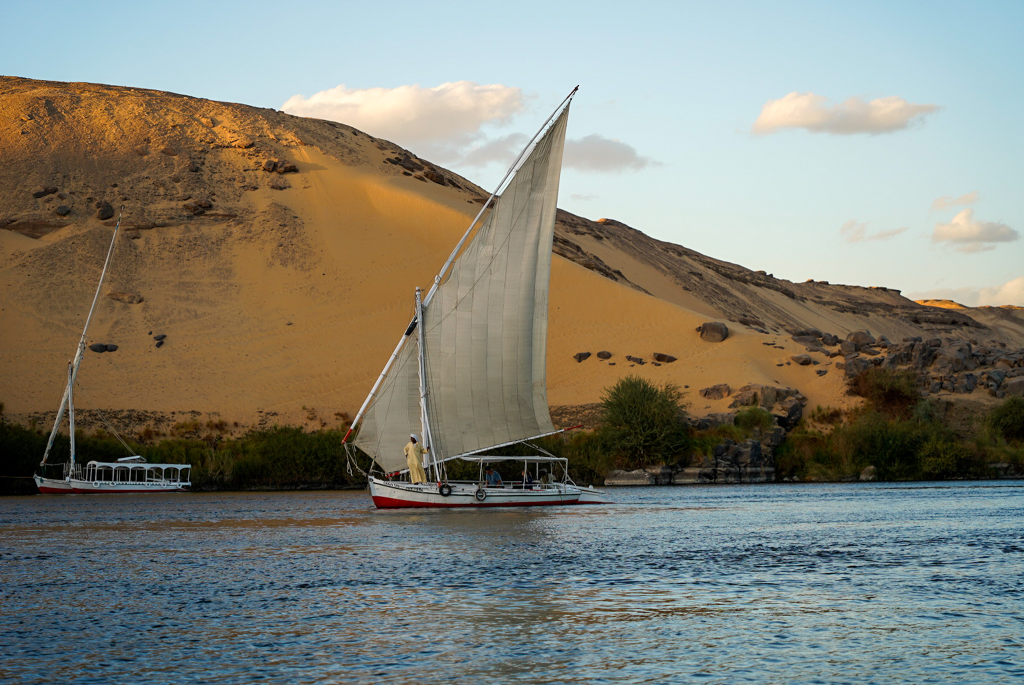
One of the best ways to experience the Nile is to take a ride on an authentic felucca boat. This is a traditional wooden sailboat with two lantern sails used to navigate.
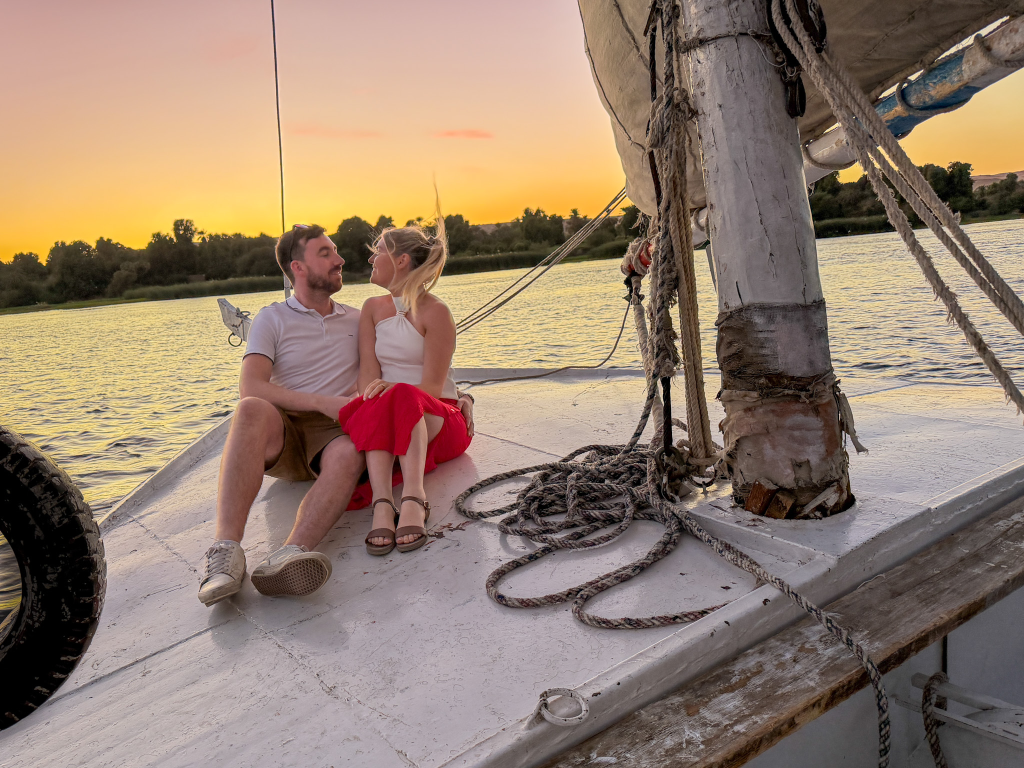
Our captain for the evening and his two young sons were a great crew and ensured we had everything we needed as we chilled out and watched the glorious sunset on the day.
Explore The Nubian Village
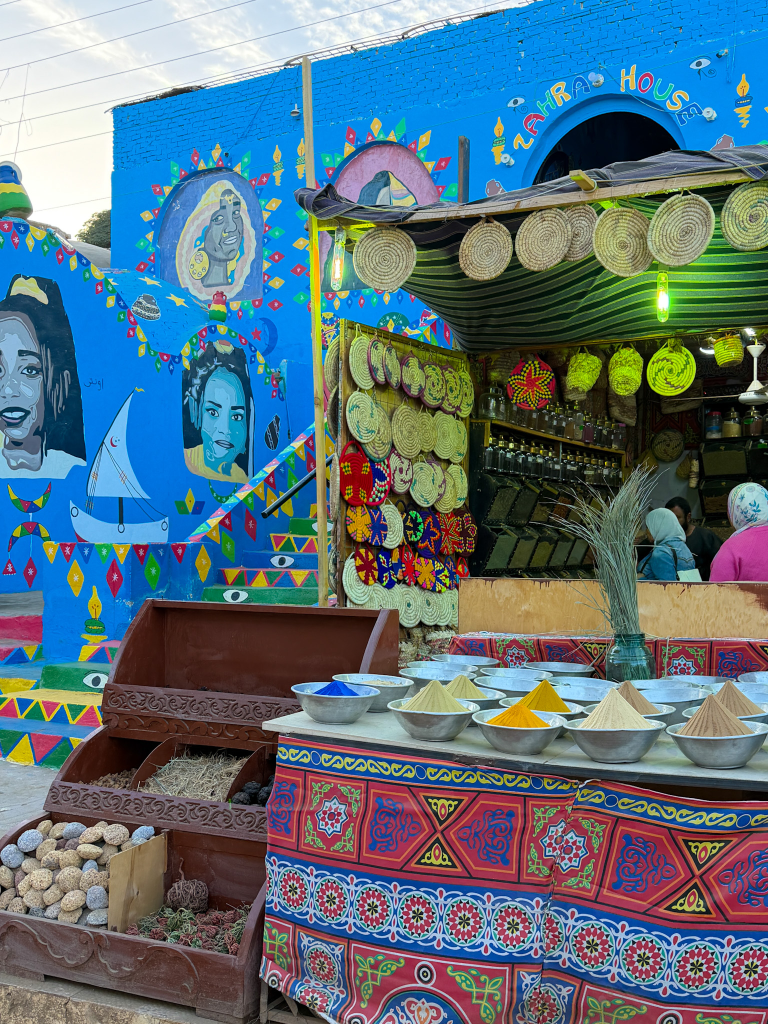
Next up, we explored the Nubian Village after a relaxed felucca ride along the Nile. The Nubian Village is a colorful community on the west bank of the Nile and one of the best places to explore a different side of Egypt. The Nubian people have lived along the Nile for thousands of years and have their own language and traditions. The first thing you notice is the brightly painted homes and vibrant artwork on the walls.
Fun Fact: In the Nubian culture, crocodiles were kept as pets for protection, and you can still see live crocodiles in a few homes and museums in the village.
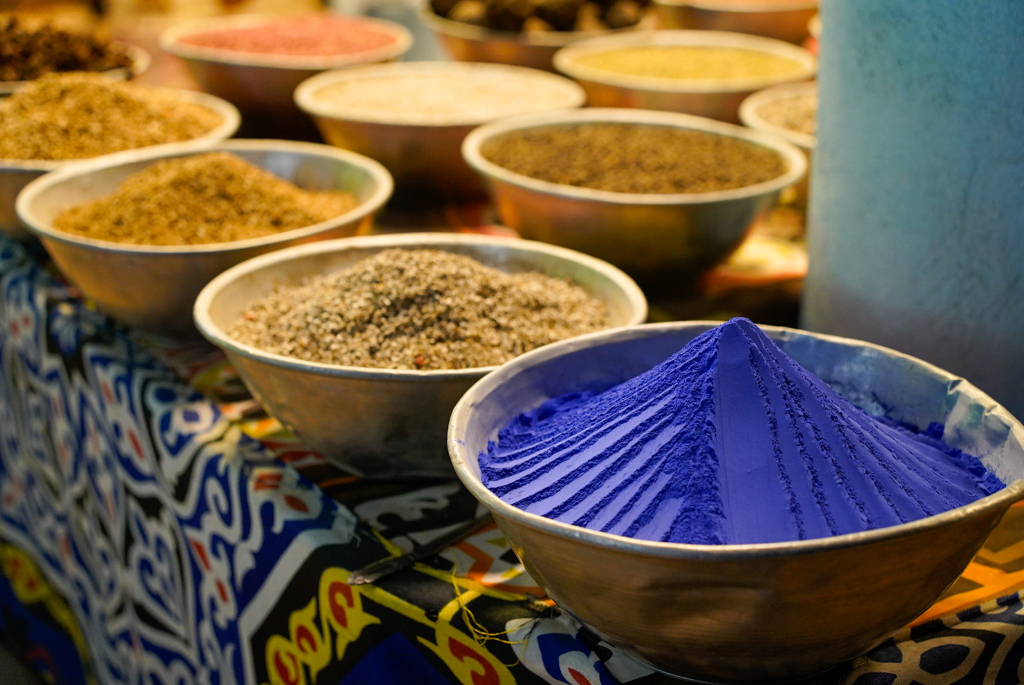
We loved strolling through the lively village and browsing the locally crafted clothes, souvenirs, and spices, while enjoying some really nice interactions with the locals. One shopkeeper even offered us some tea as we had a look around his store. After our shopping spree, we ended the evening with dinner at a restaurant where we sampled various Egyptian dishes, with a picturesque view to go with it.
Travel Tip: We purchased the majority of our souvenirs from the Nubian Village, so be sure to leave room in your suitcase.
Day 4 (Aswan): Nile River Swim and Philae Temple Light and Sound Show
Nile River Swim
One experience we hadn’t originally planned on, but ended up loving, was swimming in the Nile while in Aswan. Certain stretches of the River here are calm, clear, and popular for swimming for both tourists and locals. Plunging into the water is so refreshing with the afternoon sun beating down and we loved relaxing on the shore with nearby restaurants playing music.
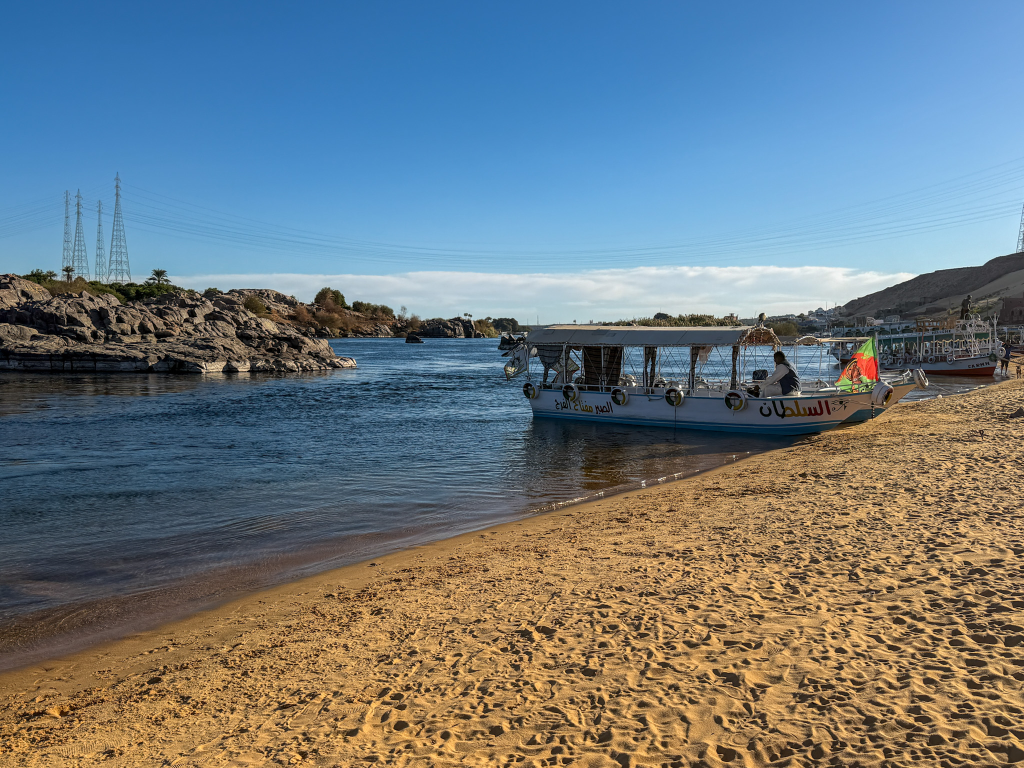
Kato Dool happened to be in a great spot for swimming, with access down the hill to a small beach. Although parts of the river further downstream can have issues with bacteria levels, the area we swam in is popular for swimming and was safe to get in at the time, but check with locals when you visit, as conditions may change.
Philae Temple Sound and Light Show
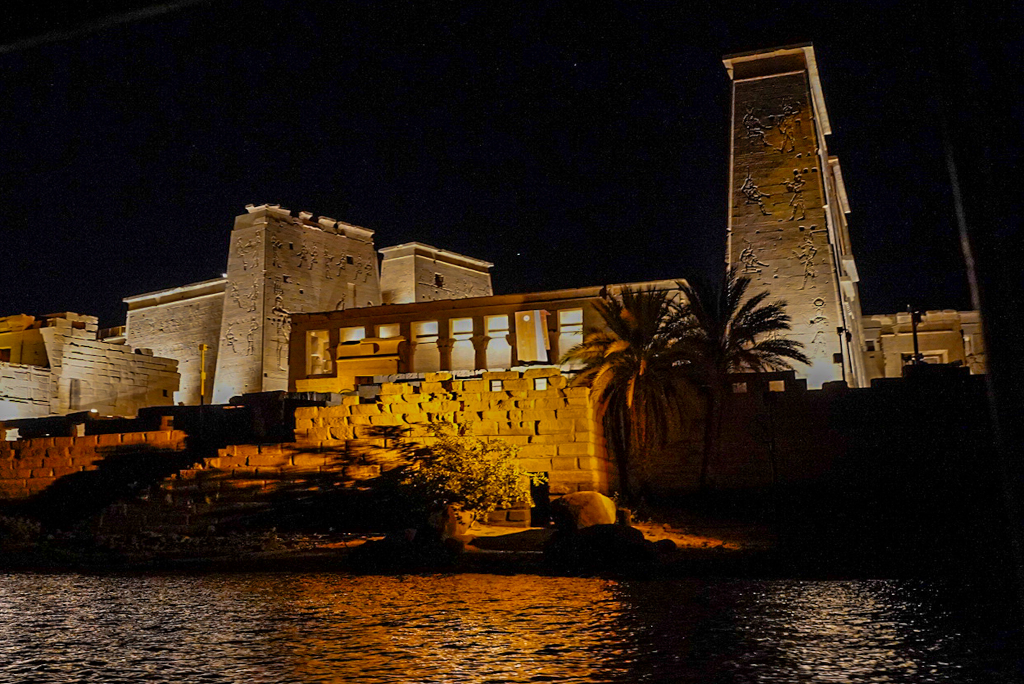
Once night fell, we headed to the Philae Temple to watch the well-renowned sound and light show. The Philae Temple was constructed more than 2000 years ago and is situated on a small island within the River Nile, so you will need to be escorted by motorboat to get there.
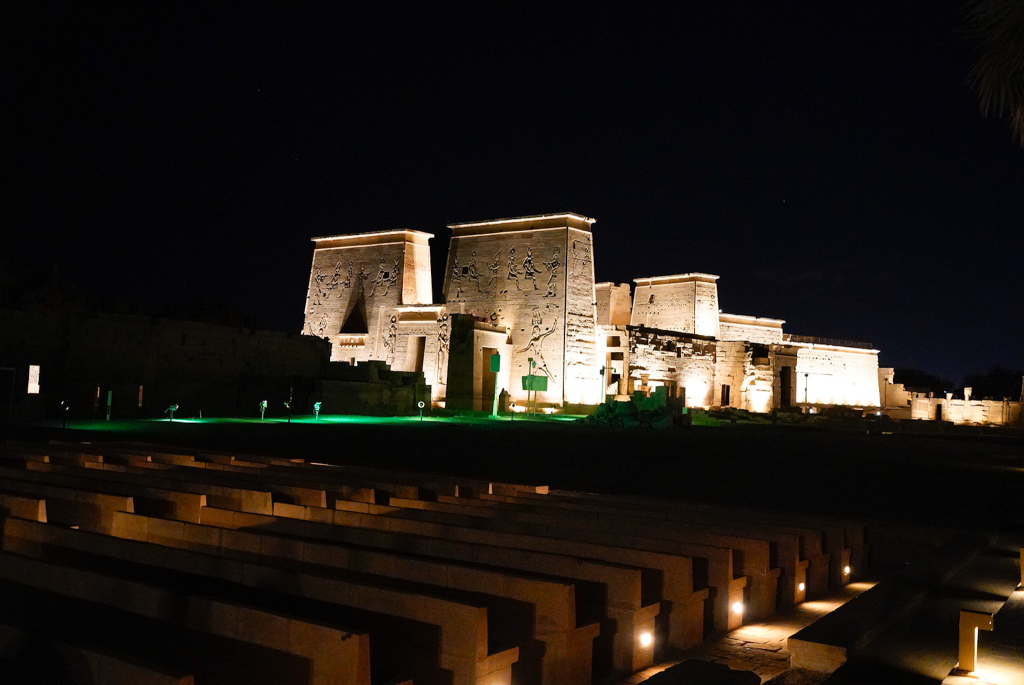
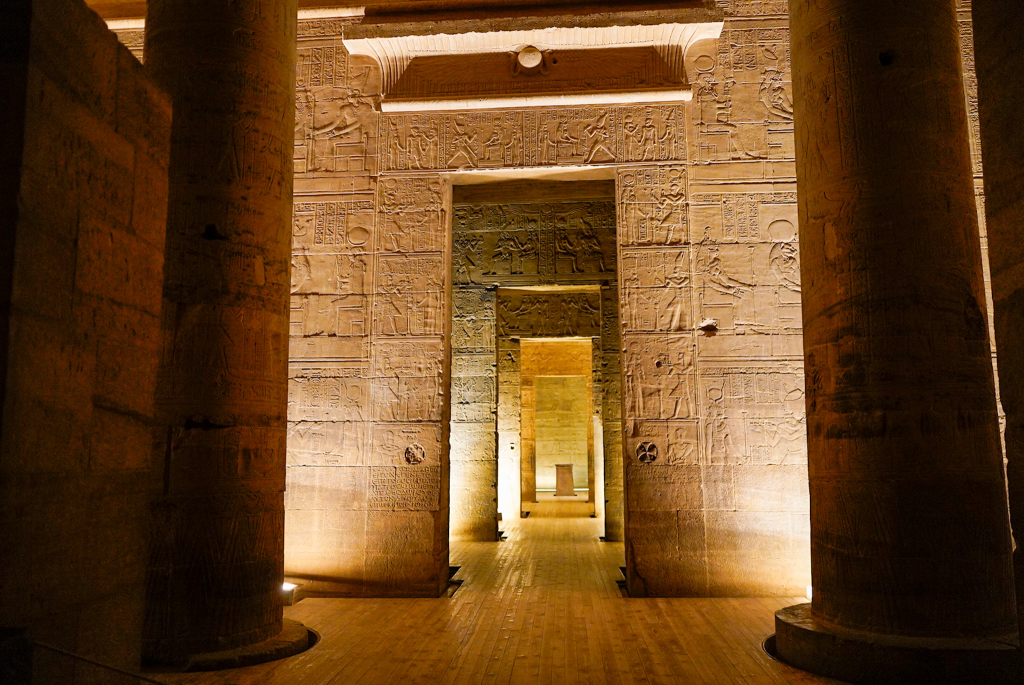
As we walked through the temple, lighting effects highlighted different columns and carvings while we listened to the story of the God Isis. From the large pylons to the lavishly decorated columns, the temple is a stunning spectacle. Featuring a series of elaborate lights and sound effects, the beauty of the temple was excellently showcased beneath the night sky.
Day 5 (Aswan): Abu Simbel Temples and Nile Cruise Departure
An early start to day 5 marked the beginning of our 3 day Nile Cruise. This cruise includes a day trip to Abu Simbel (one of the most iconic temples in Egypt), 2 nights aboard the cruise ship with stops at temples along the way, and concludes with a full day tour in Luxor (with a sunrise hot air balloon ride)
Abu Simbel Temple
The twin Abu Simbel temples are a long drive from Aswan (4 hours), which sounds like a lot, but is 100% worth it to bear witness to such amazing feats of architecture with so much history behind them.
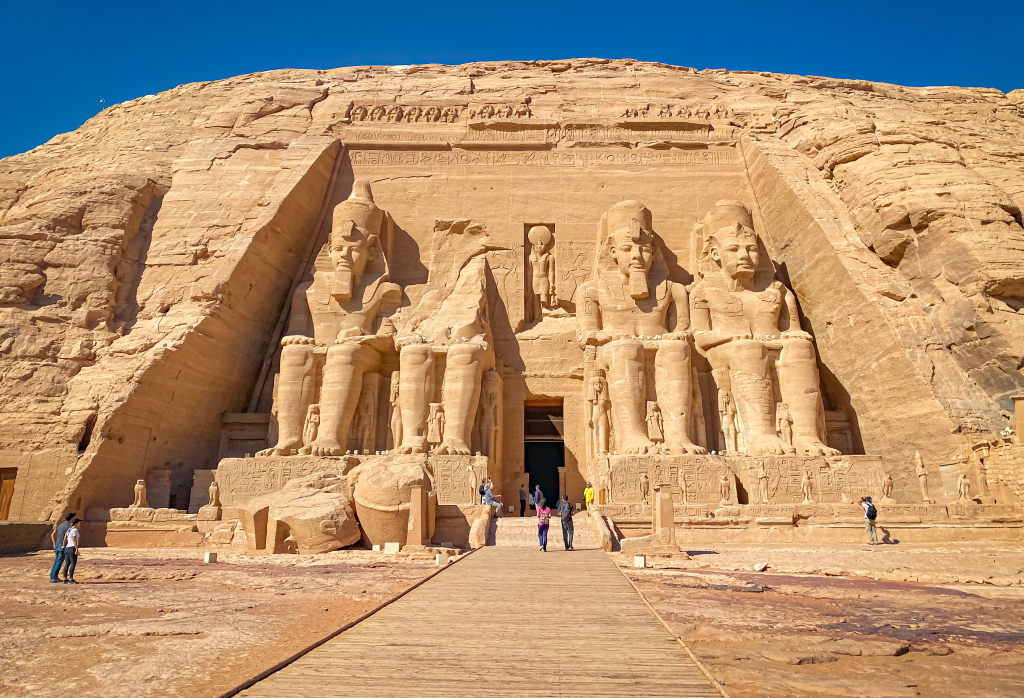
The outside of the temples features enormous statues of Ramses II, his wife, and children, which are carved into the cliff with the entrances situated in the center. Your tour guide will provide insight on what you are looking at before allowing you time to wander and explore inside by yourselves.
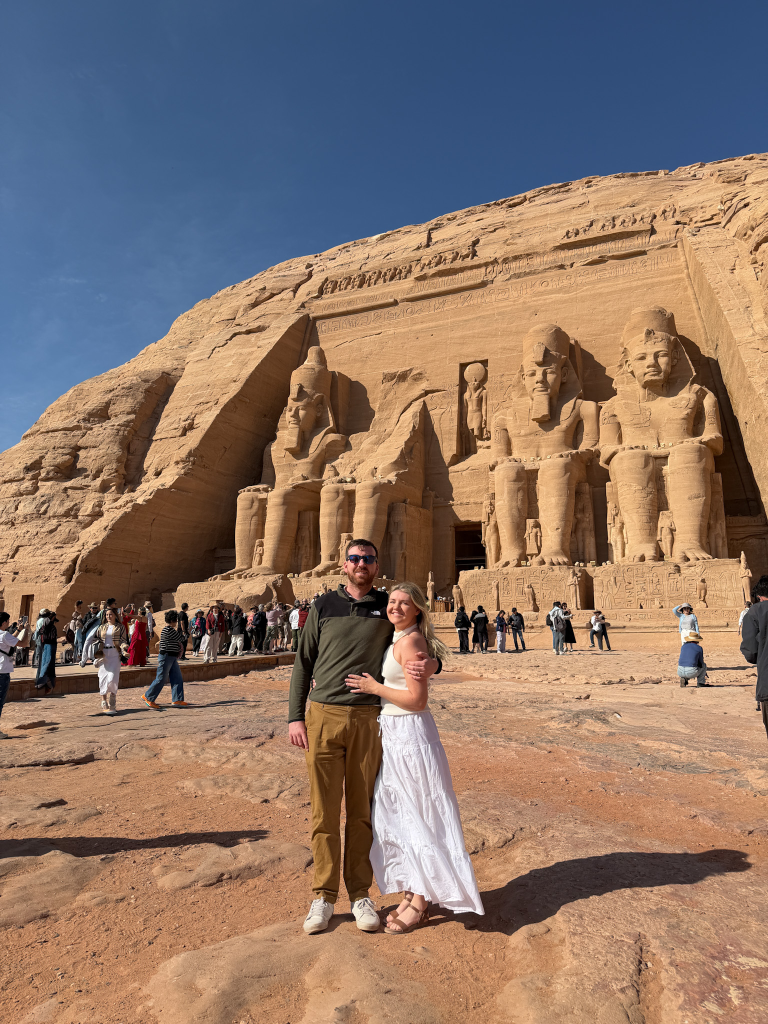
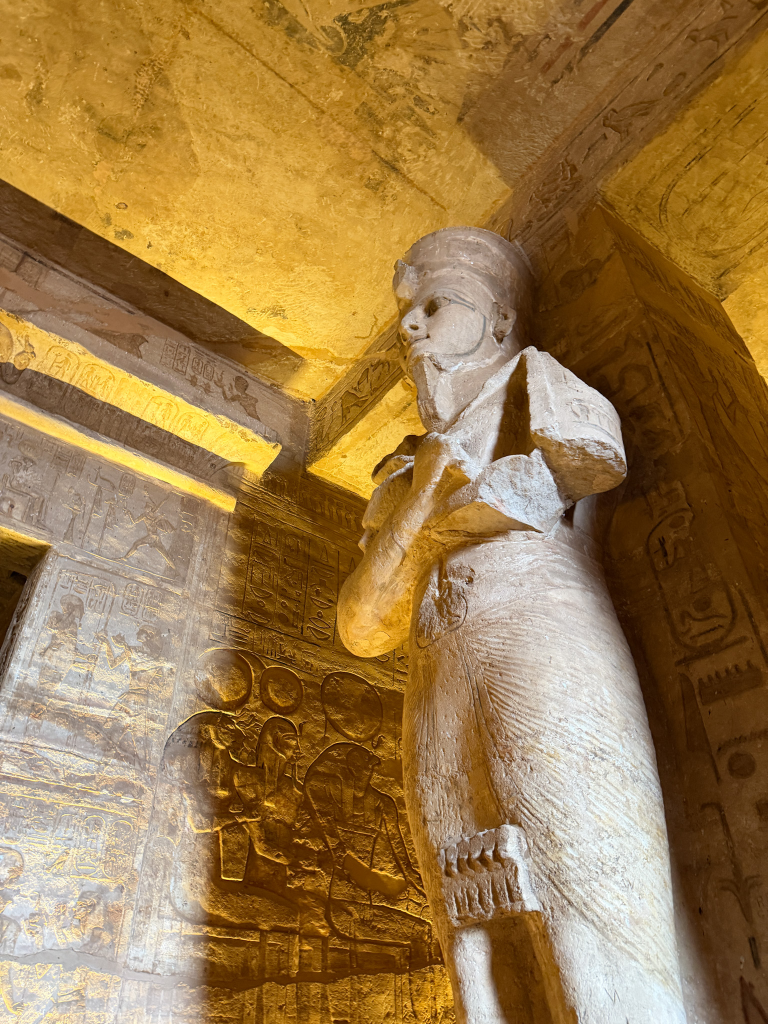
Another incredible aspect of these temples is that they were moved to higher ground in the 1960’s to avoid being flooded by Lake Nasser, a man-made dam reservoir. We were genuinely mind-blown when we learned this. You can expect large crowds here, but arriving early in the morning at sunrise should be quieter. Be sure to appreciate the view of the vast Lake Nasser while you’re here too.
Nile River Cruise Depature
After the drive back to Aswan, we boarded our cruise boat in the afternoon and prepared to embark on our trip down the Nile for the next few days.
Our boat accommodated about 100-150 people, and our room was spacious and up to date, with Wi-Fi included. There was a sun deck above with loungers, a small pool, and a massage tent, which was very reasonably priced.
Meals were served in an inclusive buffet with a nice variety of food with your drinks costing extra. The couple of days on the boat are a welcome opportunity to recharge and relax while also fitting in some amazing sightseeing which are all included in the price of your cruise.
After much research, we decided to book the cruise below through GetYourGuide. The main things we loved about this cruise is that it is only 3 days (the majority of cruises we looked at were 4 or 5 days. It also includes a day trip to Abu Simbel and a full day Luxor tour including a sunrise hot air balloon ride.
Kom Ombo Temple
The first stop of the cruise took us to the Temple of Kom Ombo. Dedicated to the Gods Sobek and Horus, it is beautifully lit up at night, and our guide met us right outside our boat before making our way to the temple. Kom Ombo is, conveniently, right next to the river so is only a stone’s throw away from where your boat will dock.
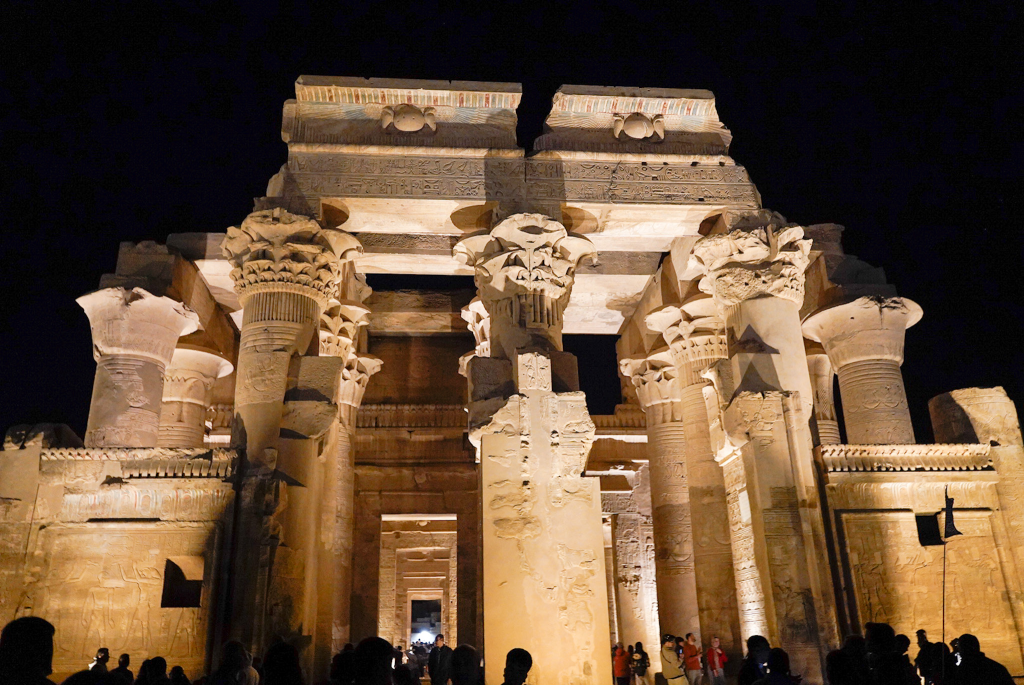
Kom Ombo was once a pivotal medical center so keep an eye out for the carvings of surgical instruments at the far end of the temple, something we definitely would have missed without our guide’s insight.
There is also a small museum featuring mummified crocodiles next to the temple that you can enter at no extra cost, so we recommend allocating 15 minutes or so at the end to have a look.
Day 6 (Nile Cruise): Edfu Temple and Relaxing On the Cruise
Edfu Temple
We set off to see Edfu Temple, which was not walkable so we made our way there via horse drawn carriage. Riding through the streets and seeing the locals open up their shops for the day was quite a fun commute!
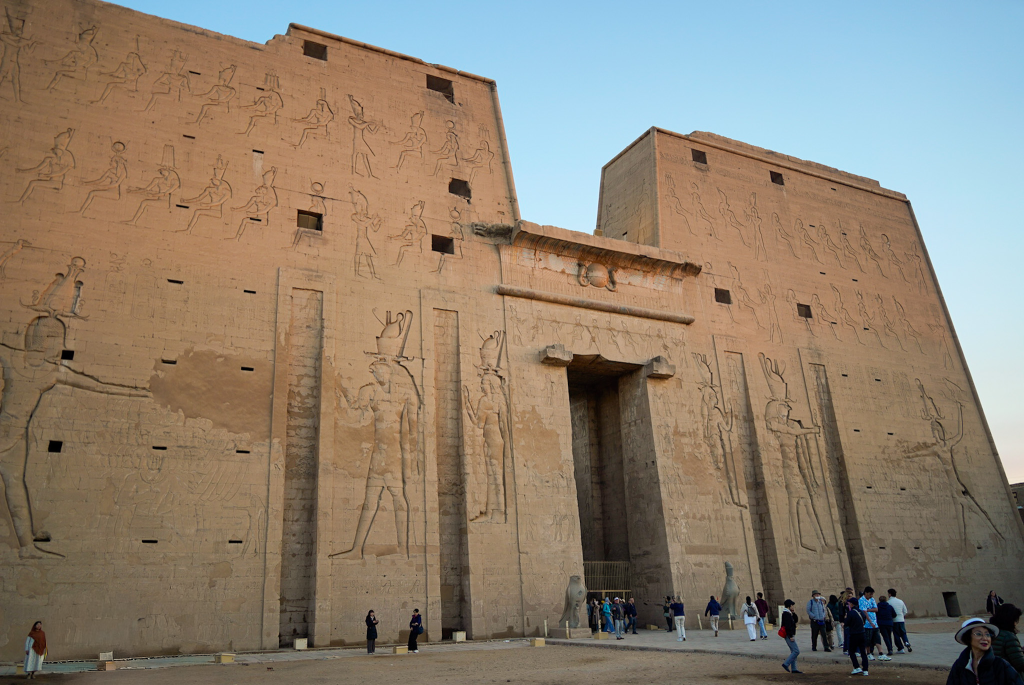
Most of the temples that you will visit are in ruins to some extent, so you have to use some imagination to picture what it looked like thousands of years ago, but not Edfu. The temple, dedicated to the God Horus, is the best-preserved Egyptian temple and includes many impressive features that reflect the prosperity of the time it was built.
Firstly, the huge pylons at the entrance (30m high) are outstanding, especially with the morning sun beaming onto them. Once you make your way through, you will enter a courtyard, flanked by intricately designed columns and beyond that you will enter a hall with more columns supporting the roof above.
There are more than a dozen chapels with an array of scriptures etched into the walls. Make sure to squeeze time in to visit the sanctuary too, which is the most sacred part of the temple and features a perfectly intact black granite shrine.
Relax on the cruise
Day 7 (Luxor): Sunrise Hot Air Balloon Ride and Luxor Day Tour
Your cruise will finish at the city of Luxor and from there, your first excursion will be a hot air balloon ride, which will give you the privilege of seeing the city and the surrounding countryside from a panoramic, bird’s eye view.
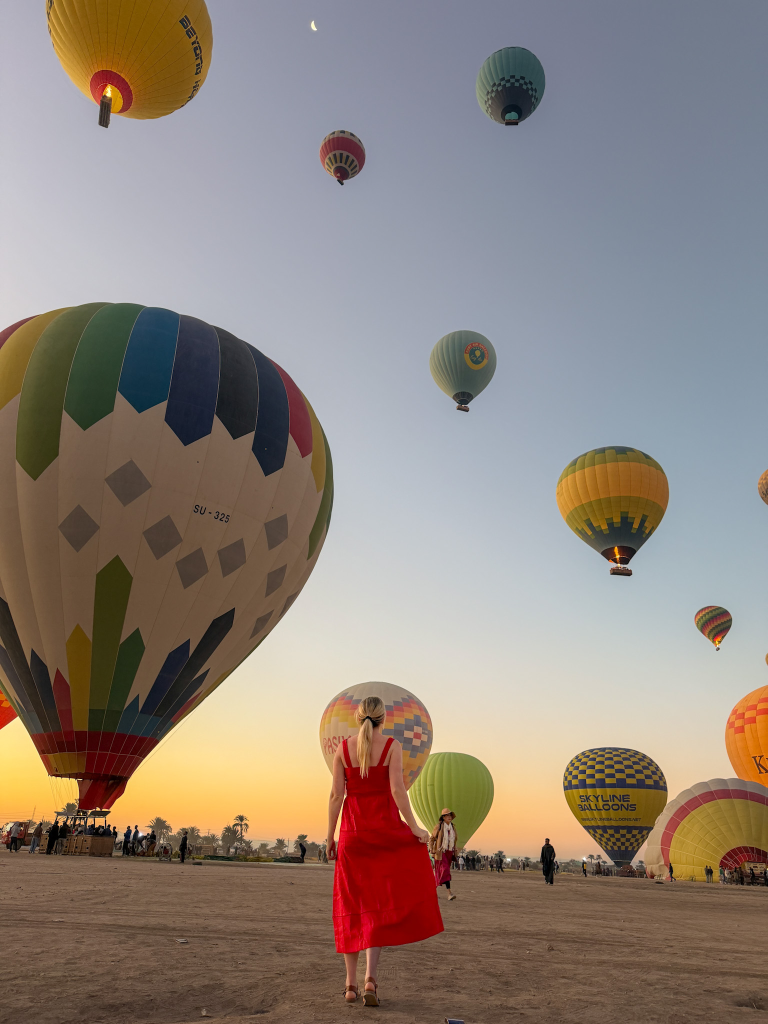
You can expect about a dozen people total in the basket as you make your way into the air, but it’s not overcrowded by any means. When we went up, our pilot was really friendly and would talk through any maneuvers he was making, which was nice as it eased any nervousness that people may have felt prior.
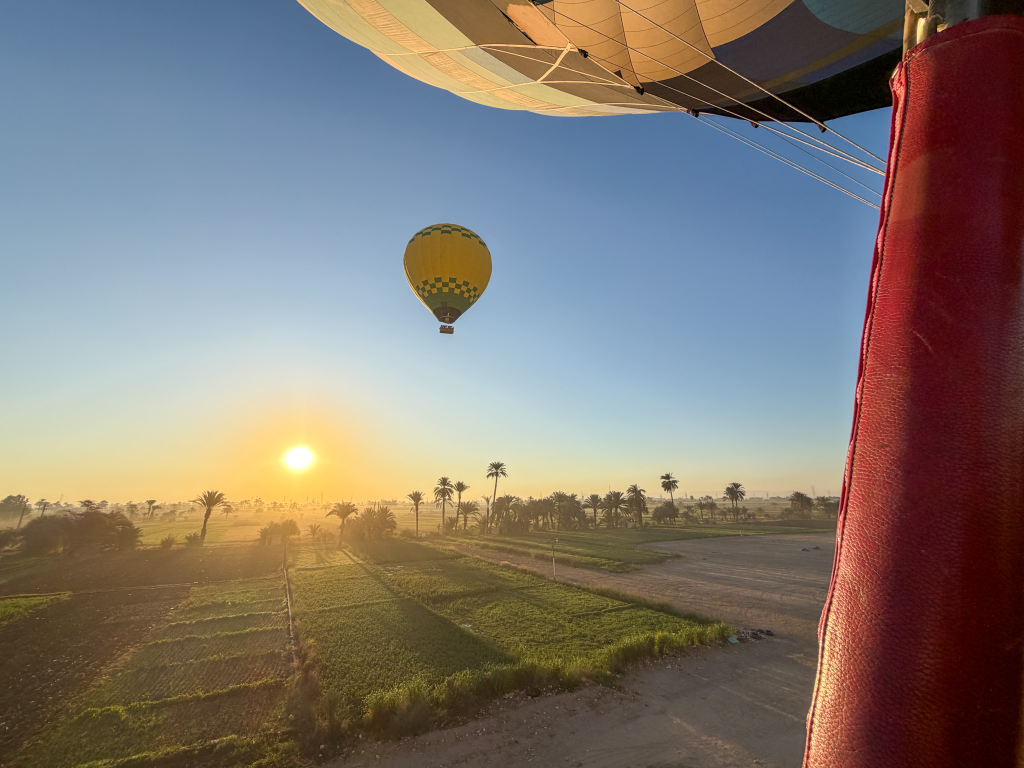
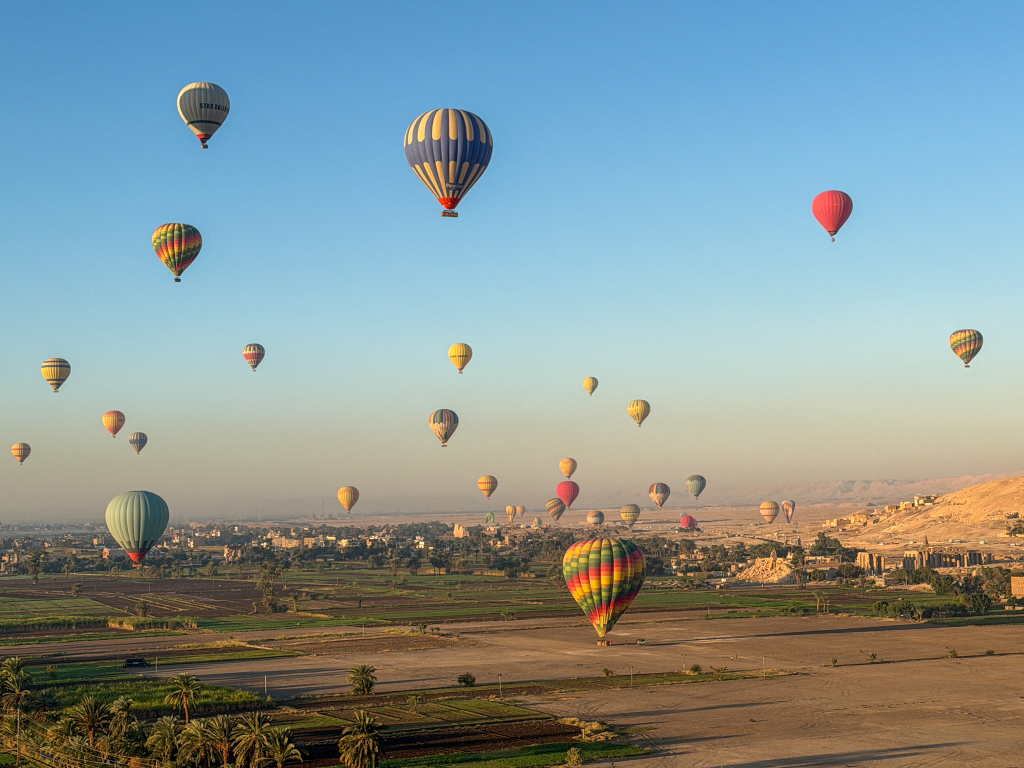
The sights are phenomenal, from the farmlands to the city buildings to the temple ruins below, you are guaranteed be in awe as you’re taking in the full 360-degree viewpoint.
Next, your guided tour will begin with Karnak, a massive collection of temples, which is the largest religious site ever built. The colorful pagoda gate will strike you immediately and as you make your way through to the Great Hypostyle Hall, there’s more than a hundred massive columns arranged in rows which we encourage taking your time to wander through and appreciate their detail.
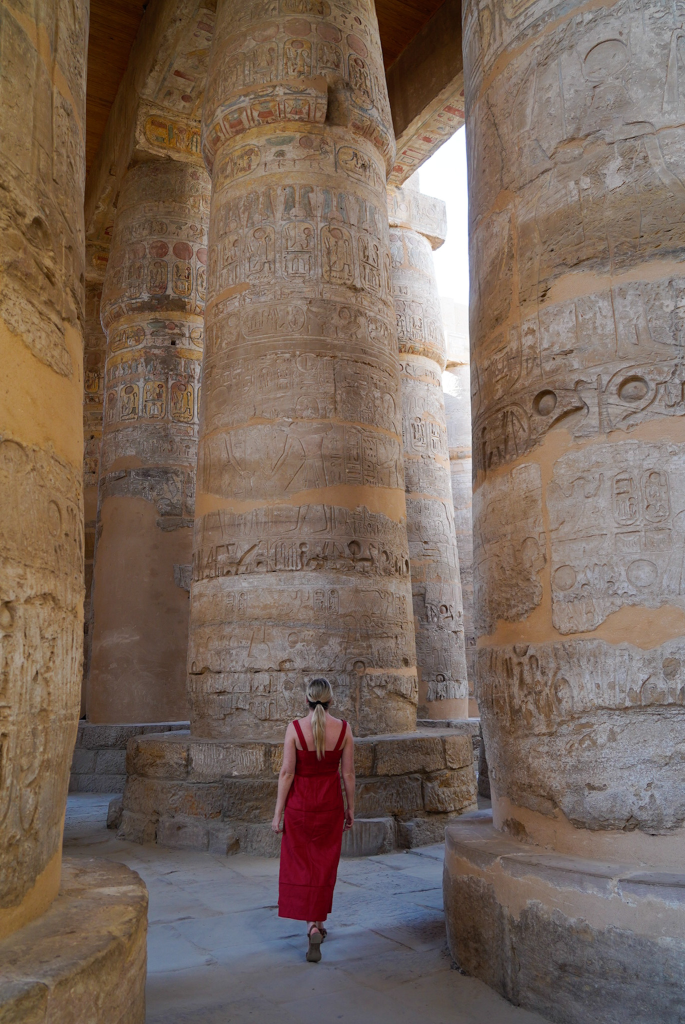
Astonishingly, Karnak’s construction spanned more than 1500 years, so it has a lot of stories to tell, and the design of the features has a great variety of styles. Of the four parts that Karnak is comprised of, only the largest is open to the public but you will find no shortage of thrilling wonders in here. It’s Egypt’s second most popular attraction of all for good reason.
The Valley of Kings is an area near Luxor that is home to a series of ancient burial tombs of many Egyptian Kings, which are cut deep into the rock. Your entry ticket will give you access to 3 different tombs out of a list of 8, each with their own individual attributes and historical significance.
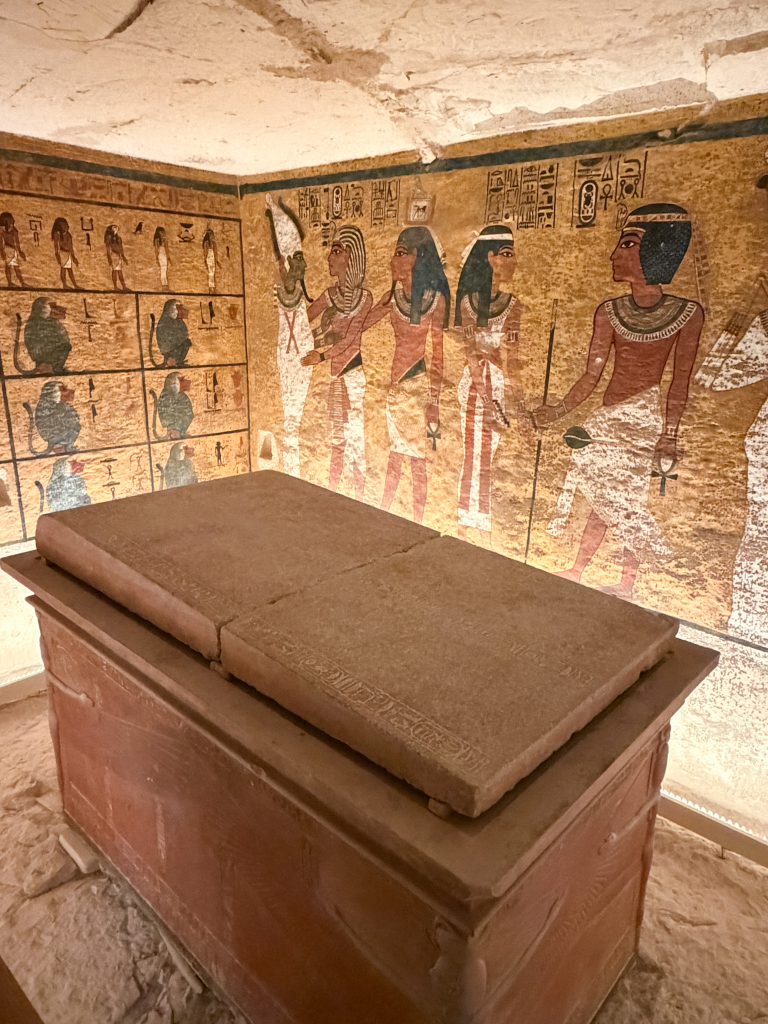
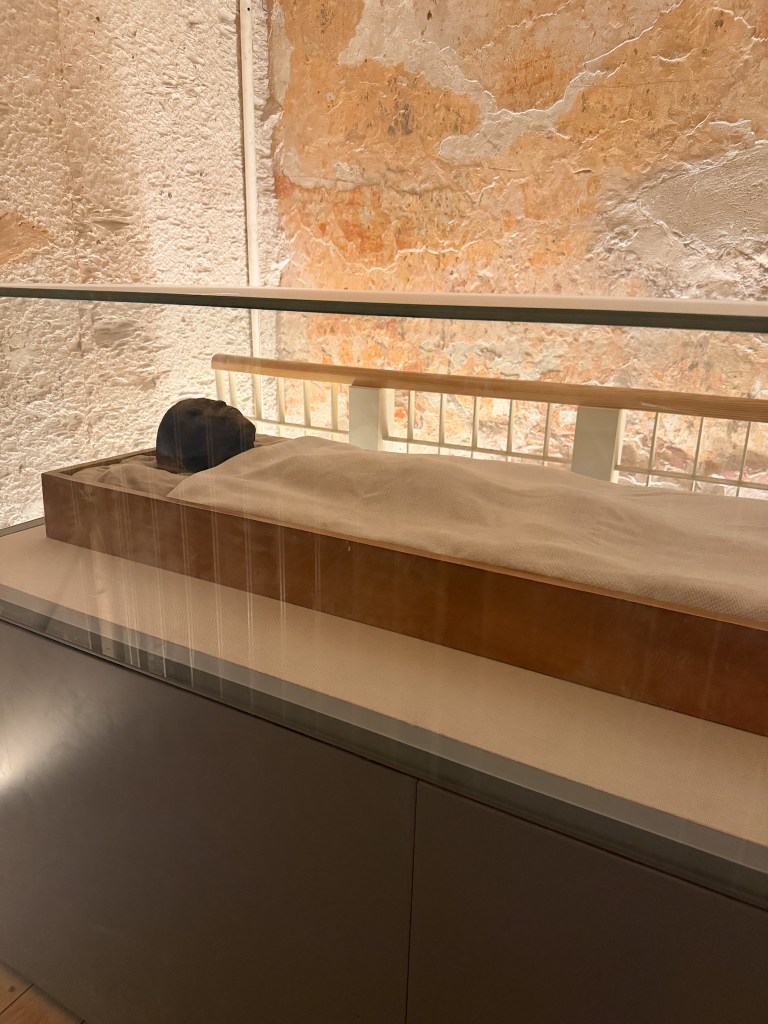
From the paintings on the walls depicting ancient stories, to the elaborately designed sarcophagi, these are fascinating attractions to bear witness to. You can pay extra to gain access to various other tombs, and we highly recommend adding the tomb of Ramses V and VI (shared tomb), as well as the tomb of Tutankhamun.
Last on the day’s itinerary was the Temple of the female Pharoah, Hatshepsut. Rising three terraces up from the desert floor with tall, beautiful cliffs looming behind it, this is a great showpiece of ancient architecture.
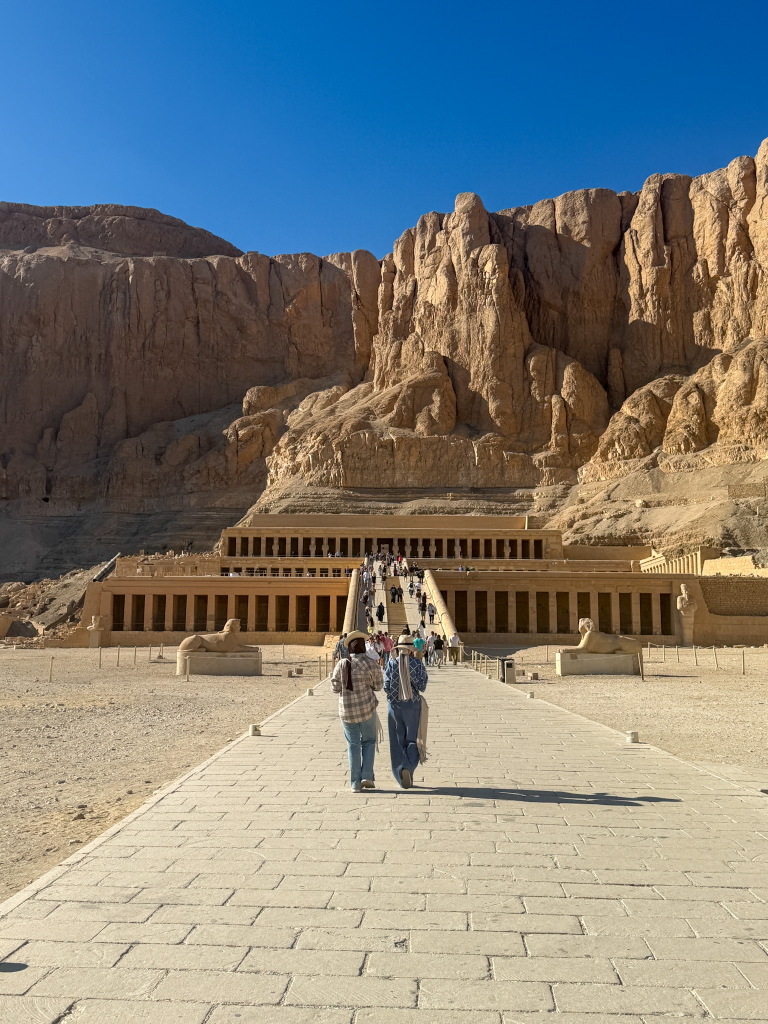
The temple looks like a palace as you approach it and inside it you will see statues dedicated to Hatshepsut as well as a number of elaborate shrines dedicated to various God’s and Goddesses. Each of the temple’s three levels features a hypostyle hall with imposing columns at the far end, as well as a courtyard. Keep an eye out for the carved panels on the walls throughout which artistically depict stories, temple rituals, and religious festivals.
Packing Tips For Your One Week In Egypt
Cash
While you can definitely get cash from ATMs in Egypt having cash on hand (especially small bills) makes things much easier for tipping and shopping at markets.
Lightweight Clothing (but also modest)
To deal with the sweltering heat of Egypt, you’ll definitely need to pack lightweight, breathable clothing. But, it’s also important to dress modeslty especially when visting temples or mosques.
Comfortable Walking Shoes
You’ll be doing a lot of walking on uneven ground, especially at the temples. Comfortable shoes are a must.
Sunscreen and sunglasses
Like we mentioned before, the Egyptian sun is intense. Be prepared an pack a high SPF sunscreen and a good pair of sunglasses.
Medications
If you get motion sickness and are planning on booking a Nile River cruise or even a felucca boat ride, bringing anti-nausea medication like Dramamine is a good idea.